Protect your GitHub repositories and source code with Copyright01. Get a FREE timestamped certificate valid in 181 countries. Secure your software today.
In the modern software development landscape, your source code is your most valuable asset. Whether you are building a proprietary SaaS platform or contributing to the open-source community, the risk of code plagiarism and intellectual property theft is a constant reality. Many developers mistakenly believe that hosting a repository on GitHub provides inherent legal protection. However, while GitHub offers version control, it does not provide the legal certification required to prove ownership in a court of law. To truly secure your work, you must understand how to protect GitHub source code through formal copyright registration.
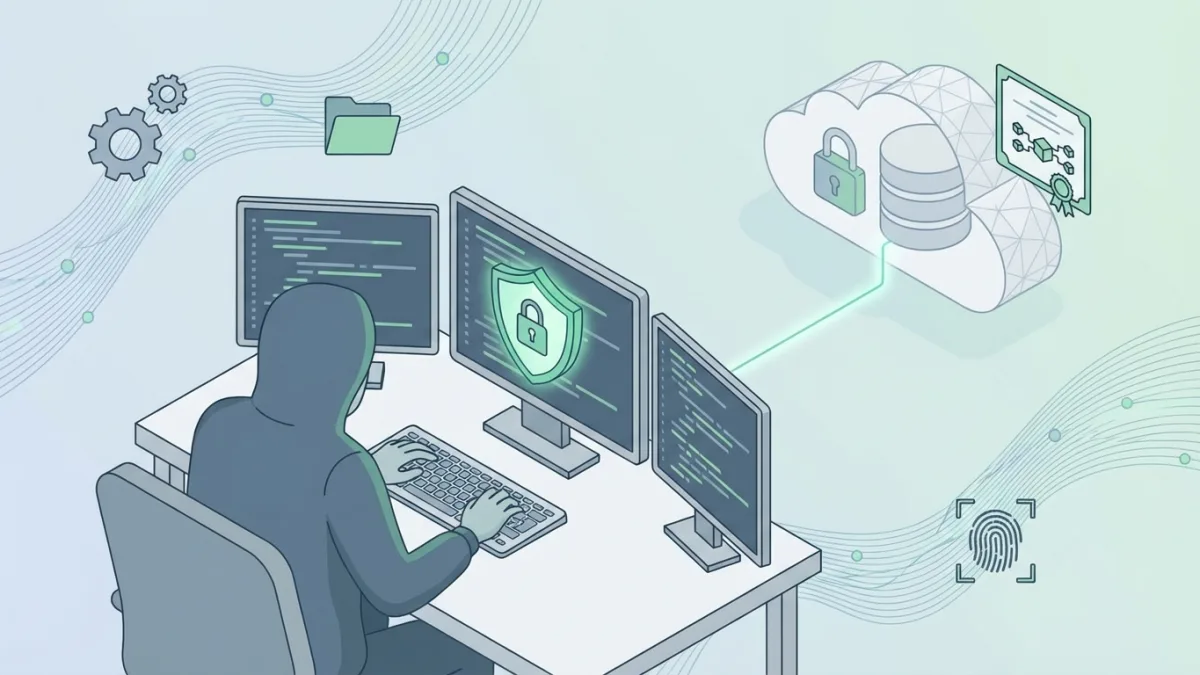
At Copyright01, we offer a free, instant solution for developers to secure their intellectual property. By utilizing SHA-256 timestamped fingerprints, we provide you with a legal document that establishes a definitive date of creation, recognized in 181 countries under the Berne Convention. This guide will walk you through the nuances of software copyright and how to safeguard your repositories effectively.
The Necessity of Source Code Protection in the AI Era
Software is legally classified as a 'literary work' under international copyright law. This means that as soon as you write a line of code, you technically own the copyright. However, 'technical' ownership is difficult to prove when a competitor clones your repository or an AI model is trained on your private logic without permission. You need to know why register your copyright? to ensure you have a 'smoking gun' evidence file if a dispute arises.
The Risks of Code Scraping and Plagiarism
GitHub is a goldmine for bad actors who use automated scripts to scrape public repositories for innovative logic, unique algorithms, or even sensitive API keys. Even if your repository is private, internal leaks or collaborator disputes can lead to unauthorized distribution. Without a third-party timestamped certificate, it becomes a 'he-said, she-said' scenario regarding who authored the code first.
⚠️ Warning: Relying solely on GitHub commit history is risky. Git history can be rewritten, and timestamps can be spoofed using specialized tools, making them unreliable as standalone legal evidence.
Protecting Proprietary Algorithms
If your software contains a unique algorithm that provides a competitive advantage, protecting the source code is vital. While patents protect the 'idea' or 'process,' copyright protects the specific implementation (the code itself). By registering your repository, you create a legal barrier against direct copying of your implementation.

Understanding the Berne Convention and Global Rights
One of the most significant advantages of using Copyright01 is the international reach of the protection. Our certificates are designed to be compatible with the Berne Convention, an international agreement that governs copyright among 181 member nations.
Automatic Protection Across Borders
Under the Berne Convention, works created in one member country are granted the same protections in all other member countries. This is crucial for developers because software is global by nature. If you are based in the United States and a developer in Germany or Japan infringes on your code, your Copyright01 certificate serves as valid proof of ownership in their local jurisdiction.
The Role of SHA-256 Timestamping
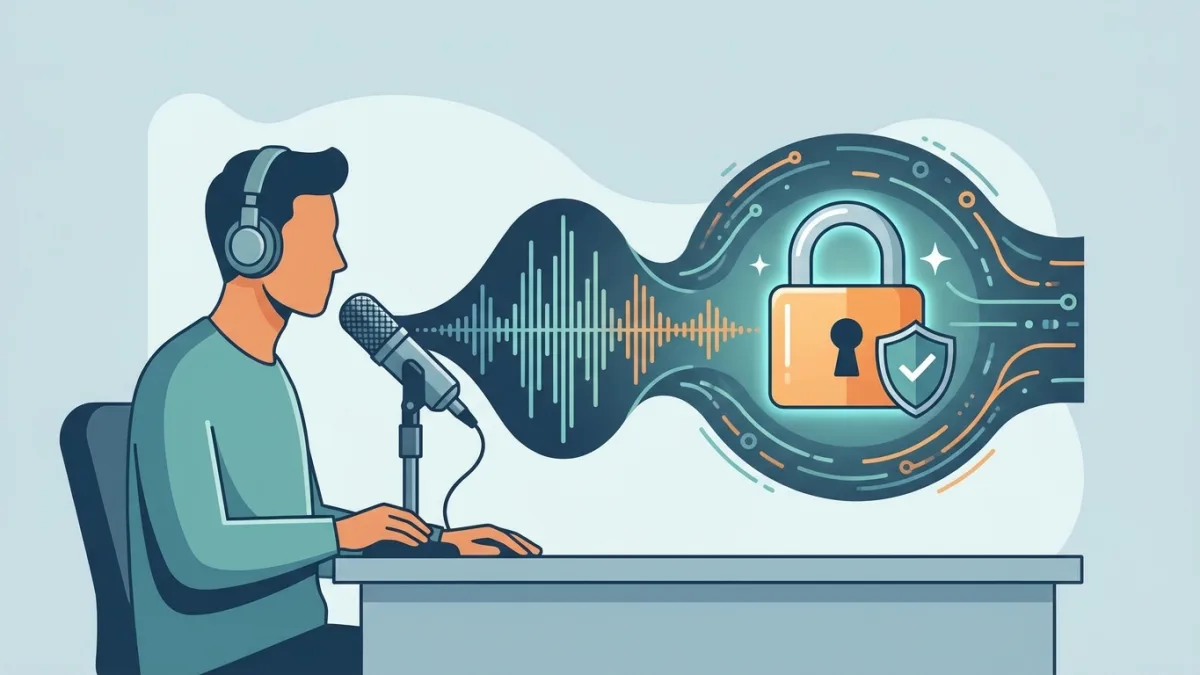
Copyright01 utilizes SHA-256 (Secure Hash Algorithm 256-bit) technology to create a digital fingerprint of your source code. This is a cryptographic hash that is unique to your file. Even a single character change in your code would result in a completely different hash. When you deposit your repository, we timestamp this hash, creating an immutable record of your work at that specific moment in time.
📋 Key takeaway: A SHA-256 timestamped certificate from Copyright01 provides irrefutable proof that your code existed in its current form at a specific date and time.
How to Secure Your GitHub Repositories via Copyright01
Protecting your repository is a straightforward process that takes less than a minute. You can protect entire zip files of your repository or specific critical files. If you also maintain a website for your project, you should also Secure Your Website Content with Copyright to protect your documentation and landing pages.
Step-by-Step Registration Process
- Prepare your repository: Clean your code and ensure you are only depositing the logic you own. Remove third-party libraries that are already covered by their own licenses.
- Create a ZIP archive: Package your source code into a single compressed file.
- Upload to Copyright01: Navigate to the deposit section after you create a free account.
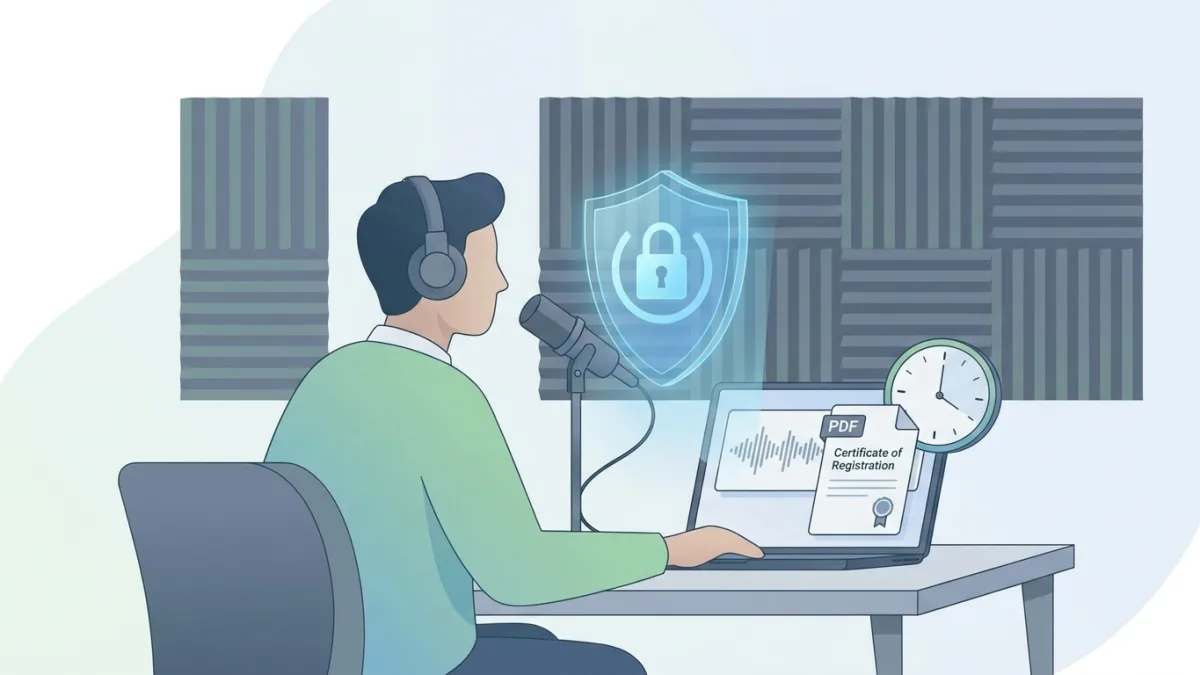
- Receive your certificate: You will instantly receive a PDF certificate containing the SHA-256 fingerprint and the official timestamp.
Managing Version Updates
Software is iterative. We recommend depositing major version releases (e.g., v1.0, v2.0). While minor bug fixes might not require a new deposit, any significant new features or architectural changes should be registered to maintain a continuous chain of evidence. You can always verify a certificate in our system to ensure its validity.
Open Source Licenses vs. Copyright Registration
There is a common misconception that choosing an Open Source License (like MIT, Apache, or GPL) replaces the need for copyright registration. This is incorrect. An open-source license is a permission you give to others based on your ownership of the copyright.
Why You Need Both
To enforce an open-source license, you must first prove you are the owner of the code. If someone violates the terms of your GPL license by making the code proprietary, you need the copyright registration to take legal action. Without it, the infringer could claim they are the original author.
| Feature | GitHub Repository License | Copyright01 Registration |
|---|---|---|
| Purpose | Sets terms for use and distribution | Provides legal proof of ownership |
| Legal Weight | Contractual agreement | Statutory evidence of creation |
| Timestamping | Git-based (can be modified) | SHA-256 (immutable) |
| Verification | Manual check of history | Public deposit registry |
| Global Reach | Depends on license terms | 181 countries (Berne Convention) |
Protecting Visual Assets and Documentation
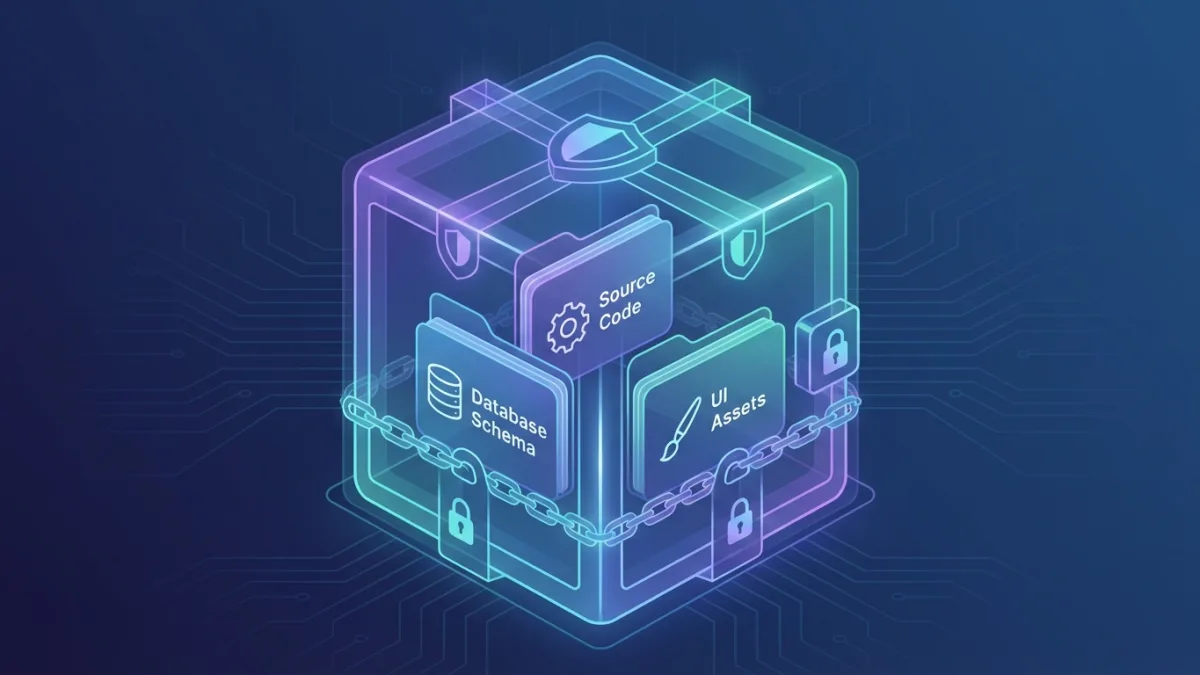
Often, a GitHub repository includes more than just code. It may contain UI icons, architectural diagrams, or extensive manuals. To fully protect these, you should consult our guides on how to Protect Your Visual Works: Image Copyright Guide and Protect Your Writing with Copyright Deposit.
Best Practices for Developers on GitHub
Beyond registration, there are several steps you should take to strengthen your legal position and deter potential thieves.
Use Clear Copyright Notices
Every file in your repository should include a header with a copyright notice. For example:
Copyright (c) 2024 [Your Name/Company]. All rights reserved.
This puts users on notice that the work is protected. If you share snippets of your progress on social media, make sure to Protect Your X Twitter Content Copyright as well.
Maintain a Public Deposit Registry
For open-source projects, transparency can be a shield. By listing your deposit in a Public deposit registry, you publicly declare your ownership. This discourages others from attempting to claim your work as their own, as the record is searchable and verified by a third party.
💡 Tip: Always keep a backup of the exact ZIP file you deposited. The SHA-256 hash on your certificate only matches that specific file. If you change a single comment, the hash will change.
Enforcing Your Rights: What to Do if Your Code is Stolen
If you discover a repository that has plagiarized your code, the first step is to gather evidence.
- Document the infringement: Take screenshots and save links to the infringing repository.
- Prepare your certificate: Download your Copyright01 certificate and the original deposited file.
- File a DMCA Takedown: GitHub has a robust DMCA (Digital Millennium Copyright Act) process. When you file a notice, attaching your Copyright01 certificate significantly strengthens your claim, as it provides objective proof of prior creation.
- Legal Action: If the infringement causes financial damage, your certificate is the primary document your attorney will use to initiate litigation or settlement negotiations.
Just as you would Protect Your Instagram Content from Theft or Protecting Your Facebook Content Copyright, your professional software assets deserve the highest level of security. Whether it is code, documentation, or design assets, a formal deposit is your best defense. If your project includes multimedia components, don't forget to Protect Music and Video Copyright Online.
Conclusion
Your GitHub repositories represent hundreds or thousands of hours of hard work. In an era where code can be duplicated in seconds, relying on luck is not a strategy. By using Copyright01’s free service, you gain a powerful legal tool that protects your source code globally. From the moment you Register Your Documents for Copyright to the final deployment of your app, ensuring your intellectual property is timestamped and certified is the hallmark of a professional developer. Secure your code today and build with confidence.
Copyright01
Free copyright protection service. PDF certificate with SHA-256 fingerprint, recognised in 181 countries.