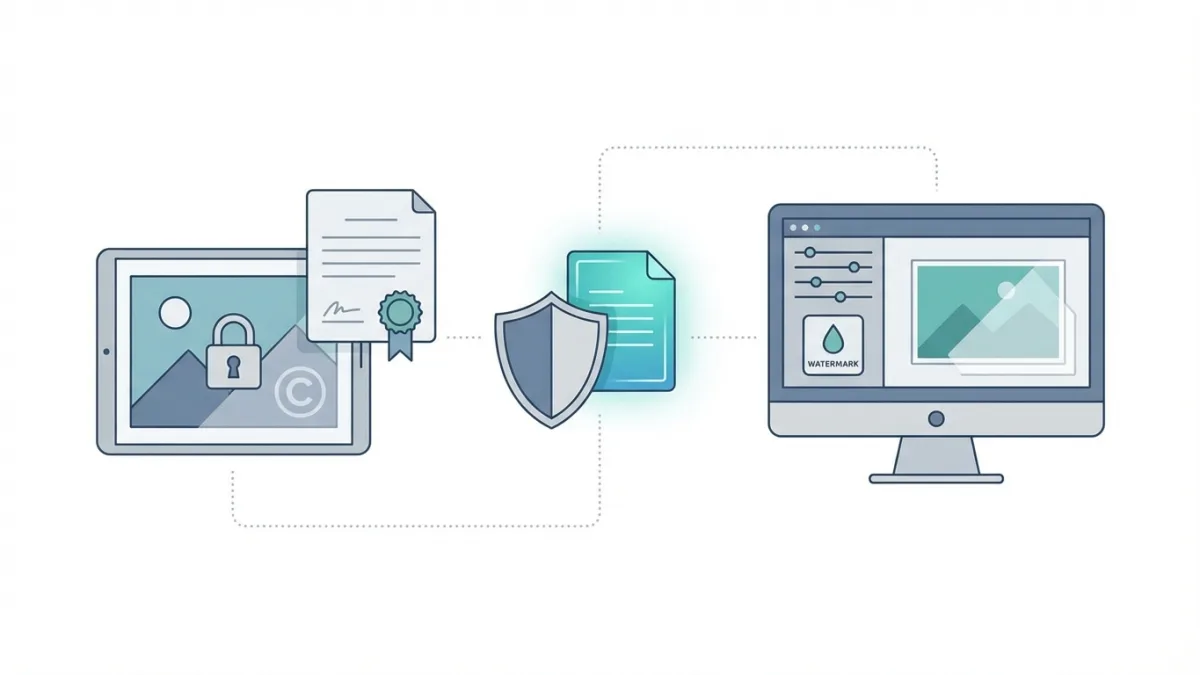
Learn how to protect your images from online theft using Markly watermarks and free Copyright01 registration to secure your intellectual property today.
In the digital landscape, visual content is the currency of engagement. However, for photographers, designers, and digital artists, this exposure comes with a significant risk. To effectively protect your images from online theft, a proactive strategy is no longer optional—it is a necessity. Every day, thousands of creative works are scraped, screenshotted, or downloaded without permission, leading to lost revenue and diluted brand identity.
Securing your intellectual property requires a two-pronged approach: visual deterrence and legal fortification. By combining the aesthetic protection of watermarking tools like Markly with the indisputable legal weight of a Copyright01 registration, you can create a robust shield around your portfolio. This guide explores the best practices for safeguarding your work, ensuring that your creativity remains exclusively yours.
The Rising Challenge of Digital Image Piracy
Digital piracy has evolved. It is no longer just about high-profile movie leaks; it affects individual creators who share their work on social media or personal portfolios. When an image is stolen, the creator loses control over how their work is presented and, more importantly, loses the ability to monetize it.
Why Thieves Target Unprotected Images
Many bad actors online assume that if an image doesn't have a visible watermark or a linked copyright notice, it is in the "public domain." This is a legal fallacy, but it drives the behavior of content scrapers. Furthermore, the ease of right-clicking and saving an image makes theft a low-effort crime.
The Impact on Professional Creators
For professionals, image theft isn't just an annoyance; it's a direct hit to their livelihood. When a commercial brand uses a photographer's work without a license, they are bypassing the payment that sustains the artist's business. This is why understanding why register your copyright? is the first step toward professionalizing your creative workflow.

Strategy 1: Visual Deterrence with Markly Watermarking
The first line of defense is always visual. If a thief sees that an image is clearly marked, they are much more likely to move on to an easier target. Markly has emerged as a leading solution for creators who need to apply watermarks without ruining the visual integrity of their work.
What Makes Markly Effective?
Markly is designed for batch processing and precision. Unlike basic editors, it allows you to create high-quality, semi-transparent watermarks that are difficult to remove using AI-powered "object removal" tools. By placing a watermark over a detailed area of the image, you make it nearly impossible for a thief to clean the image without leaving visible artifacts.
Best Practices for Watermarking
To maximize protection while maintaining an attractive portfolio, follow these tips:
- Opacity is Key: Use an opacity between 20% and 40%. It should be visible but not distracting.
- Strategic Placement: Place the watermark in a location where it overlaps with the main subject. If it’s just in the corner, it can be easily cropped out.
- Include Your Brand: Use your name or your website URL to ensure that if the image is shared, the credit travels with it.
💡 Tip: Always keep a high-resolution, unwatermarked original in a secure offline backup. Only upload watermarked versions to public-facing websites.
Strategy 2: Legal Fortification with Copyright01
While a watermark is a great deterrent, it doesn't provide the legal proof required to win a court case or a DMCA takedown dispute. This is where Copyright01 becomes indispensable. As a free online copyright registration service, it provides the "paper trail" needed to prove you are the original creator.
Instant Proof with SHA-256 Timestamping
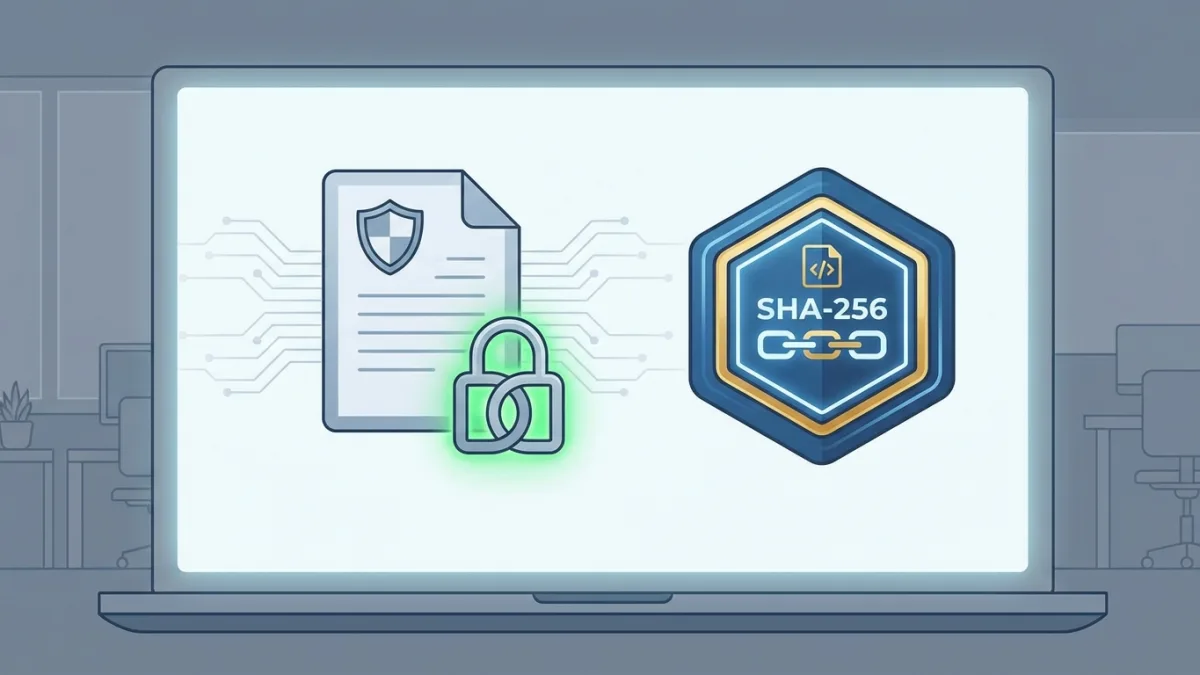
Copyright01 utilizes SHA-256 fingerprinting technology. When you deposit an image, the system generates a unique digital fingerprint and timestamps it. This creates an unalterable record that the file existed in your possession at a specific date and time. This is the gold standard for digital evidence.
Global Recognition via the Berne Convention
One of the most powerful aspects of a Copyright01 certificate is its international validity. Because of the Berne Convention, your copyright is legally recognized in 181 countries. Whether someone steals your image in Paris, New York, or Tokyo, your certificate serves as valid proof of authorship.
📋 Key takeaway: A watermark tells people the image is yours; a Copyright01 certificate proves it in a court of law.
Comparing Protection Methods
Not all protection methods are created equal. The following table compares the two primary strategies discussed in this article:
| Feature | Markly Watermarking | Copyright01 Registration |
|---|---|---|
| Primary Goal | Visual Deterrence | Legal Proof of Ownership |
| Cost | Subscription/One-time | FREE |
| International Validity | N/A | 181 Countries (Berne) |
| Ease of Use | Batch processing | Instant PDF Certificate |
| Evidence Level | Circumstantial | Forensic (SHA-256) |
| AI Resistance | Moderate | High (Legal weight) |
Step-by-Step: How to Secure Your Images for Free
Ready to lock down your portfolio? Follow this simple workflow to ensure your images are fully protected before they ever hit the internet.
Step 1: Batch Process with Markly
Before uploading to your website or social media, run your images through Markly. Apply a consistent watermark that includes your copyright symbol (©) and your name. This ensures that every image you share has a visible marker of ownership.
Step 2: Register on Copyright01
Before the images go live, create a free account on Copyright01. Upload your original, high-resolution files. This is crucial because the certificate will link to the original file, not the low-res, watermarked version you post online.
Step 3: Download and Store Your Certificate
Once the deposit is complete, you will receive an instant PDF certificate. This document contains the SHA-256 hash and the timestamp. Store this alongside your original files. If you ever need to prove your rights, you can verify a certificate directly on the platform to show its authenticity to third parties or social media platforms.
Step 4: Utilize the Public Registry
For added transparency, you can choose to list your work in the public deposit registry. This allows potential licensors to find the official record of your work and contact you for legal use, further deterring unauthorized scrapers.
⚠️ Warning: Never wait until after a theft has occurred to register your work. Proactive registration is the only way to ensure you have a valid timestamp that predates the infringement.
Enforcing Your Rights: What to Do If Your Image is Stolen
Despite your best efforts, theft may still happen. However, with Markly and Copyright01, you are now in a position of power.
- Document the Infringement: Take screenshots of the stolen image being used, including the URL and the date.
- Send a Cease and Desist: Contact the infringer. Attach a copy of your Copyright01 certificate. Most legitimate companies will remove the content immediately once they see forensic proof of ownership.
- File a DMCA Takedown: If the infringer is on a platform like Instagram, Facebook, or TikTok, use their official copyright reporting tools. Providing your certificate number significantly speeds up the removal process.
- Seek Legal Counsel: For high-value infringements (e.g., a major brand using your photo in a national ad campaign), consult an IP attorney. Your SHA-256 timestamped certificate will be the cornerstone of your case.
Conclusion
Protecting your images from online theft requires a combination of smart technology and legal foresight. By using Markly to provide a visible deterrent and Copyright01 to establish a permanent, free, and globally recognized legal record, you can share your work with confidence. Don't leave your intellectual property to chance—secure your creative legacy today.
Copyright01
Free copyright protection service. PDF certificate with SHA-256 fingerprint, recognised in 181 countries.