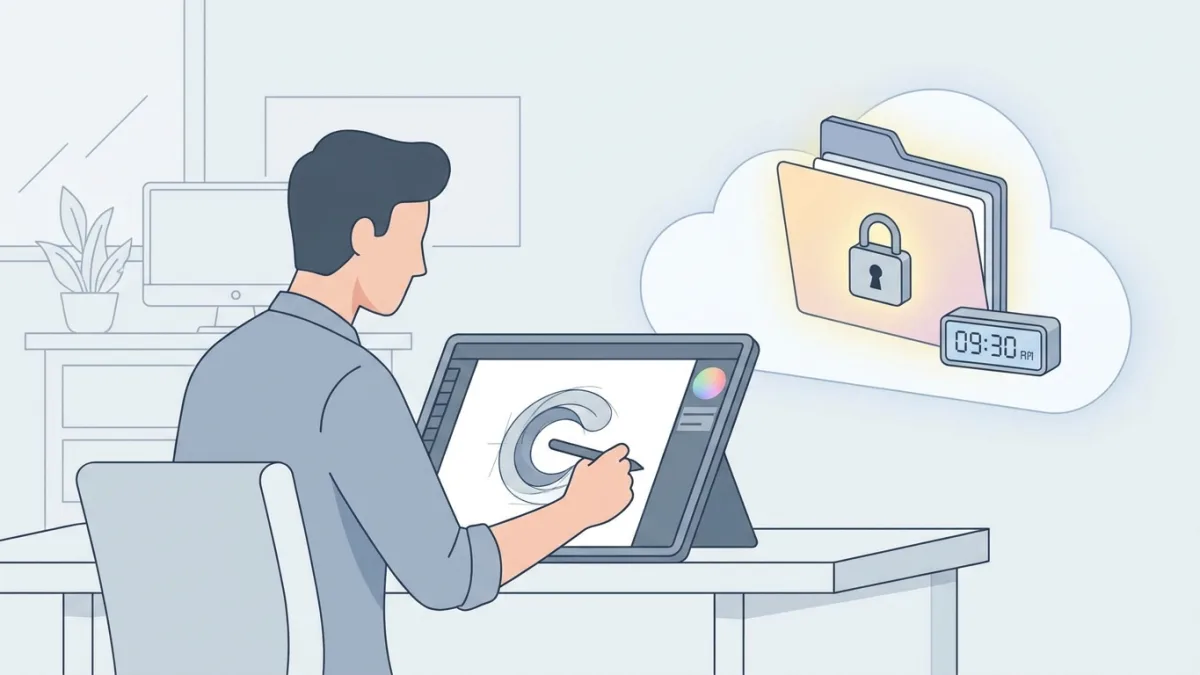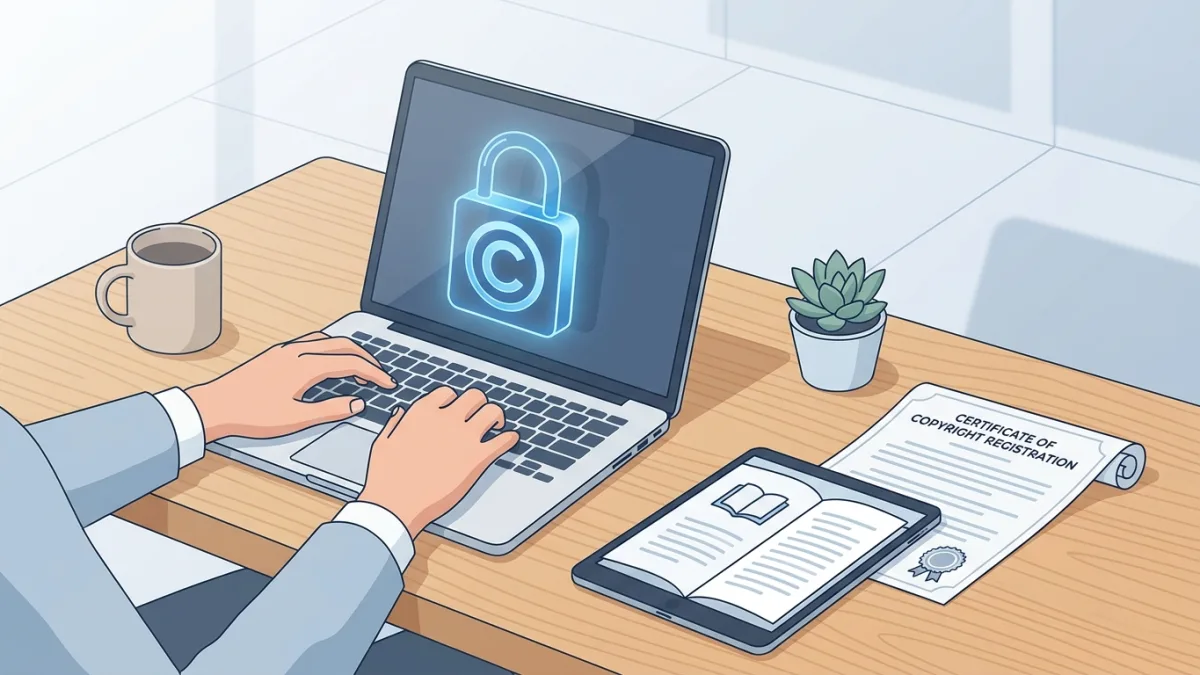
Learn how to register your ebook copyright effectively. Discover the steps to establish proof of prior existence and protect your digital book from piracy.
The self-publishing revolution has democratized the way authors share their stories, knowledge, and expertise with the world. Platforms like Amazon Kindle Direct Publishing (KDP), Apple Books, and Kobo have made it easier than ever to reach a global audience. However, this digital accessibility comes with a significant downside: the constant threat of content theft. To safeguard your intellectual property, you must know how to register ebook copyright effectively.
When you publish a digital book, you are releasing a file that can be easily copied, distributed, and monetized by malicious actors. Without proper documentation, defending your work against these infringers becomes an uphill battle. This comprehensive guide will walk you through the essential steps to protect your ebook, establish clear proof of prior existence, and ensure your rights are respected across the globe.
Why You Must Protect Your Ebook
Writing a book takes months, sometimes years, of dedication, research, and creativity. The moment you finalize your manuscript, it holds inherent value. Unfortunately, the digital nature of ebooks makes them highly vulnerable.
The Threat of Digital Piracy
Digital piracy is a massive industry that costs authors and publishers millions in lost royalties every year. Once an ebook is published without proper safeguards, it can quickly end up on torrent websites, unauthorized file-sharing forums, or even be resold by copycat authors under a different name on legitimate retail platforms.
Pirates often strip the metadata from your EPUB or PDF files, slap a new cover on your work, and claim it as their own. When this happens, you need a robust way to prove that you are the original creator. This is exactly why register your copyright? is a question every author should ask themselves before hitting the publish button.
⚠️ Warning: Never upload your manuscript to a public platform or send it to beta readers without having a secure deposit in place first. Once your text is out in the wild, the risk of interception increases dramatically.
Establishing Proof of Prior Existence
In the realm of intellectual property, timing is everything. If a dispute arises over who wrote a specific story or non-fiction guide, the person who can prove they had the content first usually prevails.
Establishing this timeline requires a reliable mechanism. By using a service that provides digital timestamping, you create a clear, documented date of creation for your manuscript. If someone copies your work a month later, your timestamp shows that your file existed before theirs. You can read more about how to Timestamp Your Work for Prior Existence to understand the technical mechanics behind this process.
How Copyright Applies to Digital Books
Understanding the legal framework surrounding your writing is the first step toward effective protection. Many authors are confused about when their rights begin and how far they extend.
Automatic Protection vs. Registration
According to international intellectual property laws, copyright protection is automatic. The moment you type your story into a word processor and save the file, you hold the copyright to that original expression of ideas.
However, automatic protection is practically useless if you cannot prove it. If an infringer challenges your claim, simply stating "I wrote it first" will not suffice. You need external, objective evidence. This is where a formal deposit comes into play. By registering your file with an independent service, you secure the Legal Value of Online Copyright Deposits, transforming a mere claim into documented proof.

International Protection Standards
One of the greatest advantages of publishing an ebook is reaching an international audience. Fortunately, your copyright can travel with your book. Thanks to the Berne Convention, an international agreement governing copyright, your work is recognized across borders.
Currently, 181 countries are signatories to this convention, including major markets like the United States, the United Kingdom, Canada, Australia, and the European Union. This means you do not need to register your ebook separately in every single country where it might be sold or read. A deposit that establishes your authorship is recognized by all member states. Discover more about how to Protect Copyright Abroad With Berne.
💡 Tip: Always include a standard copyright notice on the second page of your ebook (e.g., "© [Year] [Your Name]. All rights reserved."). While not strictly required for protection, it serves as a strong deterrent to casual infringers.
Step-by-Step Guide to Register Your Ebook
Securing your digital manuscript is a straightforward process when you use the right tools. Here is how you can document your authorship effectively.
Preparing Your Manuscript Files
Before you upload anything, ensure your file is properly formatted for deposit. While the text itself is what matters most, a clean file helps avoid ambiguity.
- Finalize the text: Ensure you are depositing the final version of your manuscript. If you make substantial structural changes later, you will need a new deposit.
- Add metadata: Include your name, pen name (if applicable), the date, and your contact information on the title page.
- Choose the right format: While many formats are accepted (including source code, audio, and video for different types of projects), standard text formats like PDF, DOCX, or EPUB are best for ebooks.
Using an Online Registration Service
To establish proof of prior existence, you can use Copyright01. The platform allows you to Create a free account and offers your first 3 deposits for free. If you are a prolific writer, you can later purchase credit packs starting from EUR 4.90, or opt for a subscription at EUR 9.90/month or EUR 79/year for continuous protection of your growing catalog.
When you upload your ebook file, it is protected by server-side AES-256 encryption, ensuring your unreleased manuscript remains private. The system then generates a PDF certificate featuring a unique SHA-256 fingerprint of your file. This fingerprint acts as a digital DNA—if even a single space or comma is altered in the file, the fingerprint changes completely.
Combined with digital timestamping, this certificate proves exactly what your file contained and precisely when it was deposited. Your files and certificates are preserved for a minimum of 10 years, providing long-term peace of mind. If you ever need to demonstrate your proof to a publisher or a legal representative, they can easily Verify a certificate through the platform.
Defending Your Work Against Plagiarism
The digital landscape is vast, and keeping track of your intellectual property requires vigilance. Once your ebook is protected, you must actively monitor its use.
Monitoring Your Content Online
Set up Google Alerts for unique phrases, character names, or chapter titles from your book. If your ebook is a non-fiction guide, search for your specific methodologies or frameworks. If you find your text on an unauthorized site, you can issue a DMCA (Digital Millennium Copyright Act) takedown notice. In these notices, attaching your copyright certificate provides the hosting provider with clear evidence of your ownership, significantly speeding up the removal process.
For authors who also share their writing journey or excerpts on social media, remember that these platforms are also hotspots for theft. You can protect various types of content, whether you need to secure your website, or learn how to safeguard your social presence.
Dealing With Generative AI Scraping
A modern threat to authors is the unauthorized scraping of their books by tech companies to train large language models (LLMs). These AI systems ingest millions of texts, and authors are increasingly finding their unique writing styles and specific passages regurgitated by chatbots.
Having a documented timestamp for your manuscript is critical in this new era. It proves your human authorship predates the AI's output. To understand this evolving landscape, read about AI and Copyright for Digital Content Creators and learn how to Prove Prior Existence Against Generative AI.
📋 Key takeaway: AI scraping relies on consuming unprotected data. Establishing a clear, early timestamp for your work is your best defense against unauthorized use by generative models.
Common Mistakes Authors Make
Even well-meaning authors can make critical errors when trying to secure their intellectual property. Avoiding these pitfalls will save you time, money, and stress.
Relying on Poor Protection Methods
Many writers still believe in the "poor man's copyright"—the practice of mailing a sealed copy of the manuscript to oneself. This method is highly vulnerable. Envelopes can be unsealed and resealed, and the postmark does not verify the contents inside. It is one of the classic 5 Copyright Mistakes You Must Avoid.
Here is a comparison of common protection methods:
| Protection Method | Cost | Speed | Reliability for Proof of Prior Existence |
|---|---|---|---|
| "Poor Man's Copyright" (Mailing) | Low (Postage) | Slow (Days) | Very Low (Easily manipulated) |
| Cloud Storage Timestamps (e.g., Google Drive) | Free | Instant | Low (Account owner can alter metadata) |
| Copyright01 Deposit | 3 Free, then from EUR 4.90 | Instant | High (SHA-256 fingerprint & digital timestamping) |
Forgetting to Update Deposits
Writing is an iterative process. You might deposit your first draft to protect your core ideas and narrative structure. However, if you spend another six months heavily revising the manuscript, adding new chapters, and changing the ending, your original deposit will not cover the new material.
Whenever you make substantial changes to your ebook, you should make a new deposit. This creates a chronological paper trail of your creative process. You can use the Public deposit registry to keep track of your different versions. Read more on how to Prove Prior Existence Using Timestamping for multiple drafts.
Conclusion
Publishing an ebook is a massive achievement, but your job as an author doesn't end when you hit publish. Protecting your intellectual property is a fundamental part of your writing career. By understanding how to register ebook copyright, utilizing digital timestamping, and leveraging the international protections of the Berne Convention, you can share your stories with confidence. Don't leave your hard work vulnerable to digital pirates or AI scraping—take control of your rights and secure your digital manuscript today.
Copyright01
Free copyright protection service. PDF certificate with SHA-256 fingerprint, recognised in 181 countries.