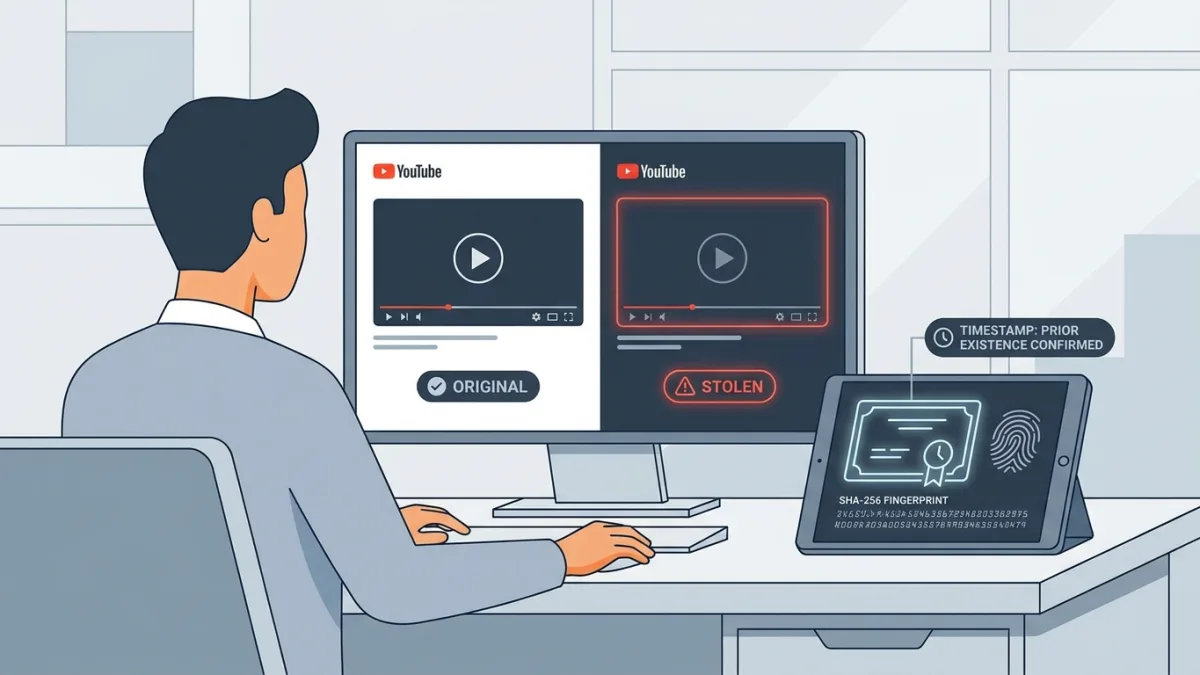
Discover how to remove a stolen YouTube video step-by-step. Learn about DMCA takedowns, copyright strikes, and protecting your channel from content theft.
Discovering that someone else has downloaded, re-edited, or entirely re-uploaded your content can be a devastating experience for any creator. If you need to remove a stolen YouTube video, you must act strategically and follow the correct procedures to ensure the infringing content is taken down quickly and efficiently.
Content theft on video-sharing platforms is a rampant issue. From reaction channels that use too much of your original footage to outright impersonators mirroring your entire channel, understanding how to navigate the platform's copyright system is essential. This comprehensive guide will walk you through a practical case study on how to successfully execute a takedown, manage disputes, and secure your intellectual property for the future.
Understanding YouTube Copyright Rules
Before you initiate a formal complaint, it is crucial to understand the framework that governs intellectual property on the platform. YouTube operates under the Digital Millennium Copyright Act (DMCA) and respects international treaties such as the Berne Convention, which provides automatic copyright protection in 181 countries as soon as a work is created and fixed in a tangible medium.
What Qualifies as Content Theft?
Content theft, or copyright infringement, occurs when a creator's original work is used without their permission in a way that violates their exclusive rights. On YouTube, this typically manifests as:
- Direct Re-uploads: A user downloads your video and uploads it to their own channel without any modifications.
- Compilation Videos: Your clips are stitched together with other creators' content to monetize your hard work without consent.
- Audio Extraction: Your original music, voiceover, or sound design is ripped and used in someone else's video.
💡 Tip: Always double-check the upload dates. If your video was published before the suspected stolen copy, you have a strong foundational claim of prior existence.
The Fair Use Exception
Not every unauthorized use of your video constitutes infringement. The doctrine of "Fair Use" (or "Fair Dealing" in some jurisdictions) allows limited use of copyrighted material without permission for purposes such as criticism, commentary, news reporting, teaching, or parody.
Before you attempt to remove a stolen YouTube video, ask yourself:
- Does the new video add significant new meaning or expression to my original work?
- Is the use primarily educational or highly transformative?
- Does the new video negatively impact the potential market for my original video?
If the answer to the first two is "yes," the creator may be protected under Fair Use. However, if they are simply free-riding on your creativity, you have every right to take action.
Step-by-Step: How to Remove a Stolen YouTube Video
When you are certain your rights have been violated, follow these practical steps to initiate a takedown.
Step 1: Document the Infringement
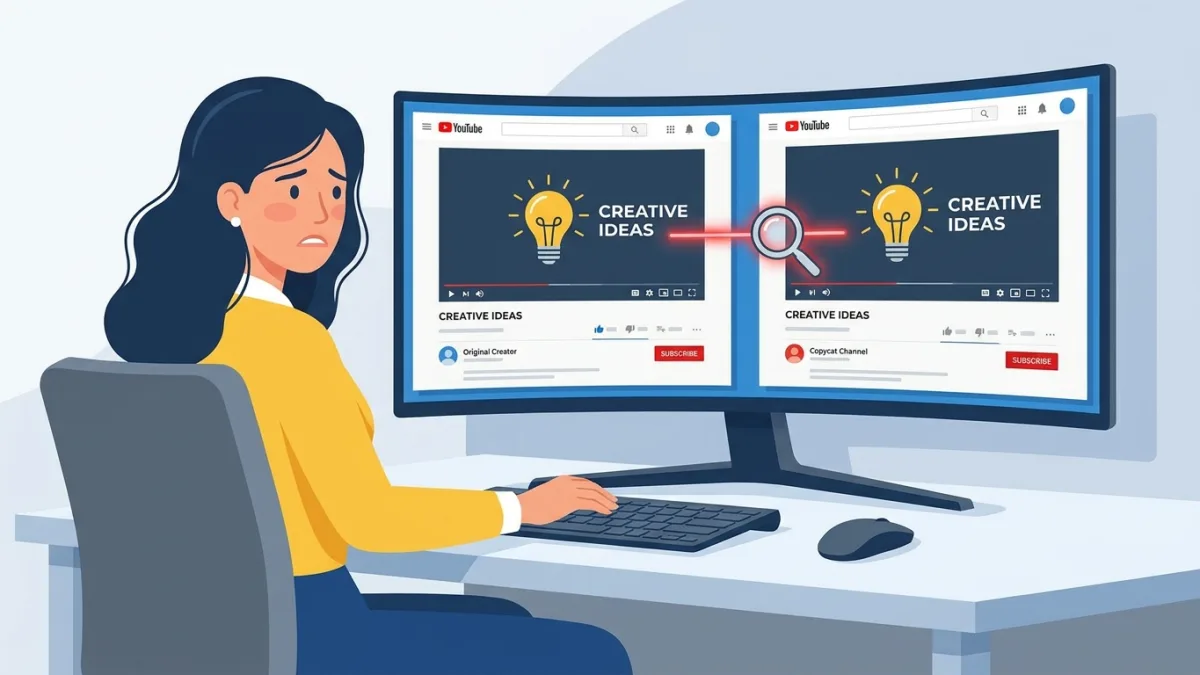
Before taking any formal action, you must secure evidence. Infringers often panic and delete or unlist videos when confronted, which can complicate your case if you need to escalate the matter later.
- Take clear screenshots of the stolen video, making sure the channel name, video title, view count, and upload date are visible.
- Save the exact URL of the infringing video.
- Download a copy of the stolen video if possible, to keep a record of exactly what was taken.
For more detailed strategies on gathering evidence, you can read our guide on Winning Your Copyright Dispute Online.
Step 2: Utilize the YouTube Copyright Match Tool
YouTube offers a built-in feature called the Copyright Match Tool, available to creators in the YouTube Partner Program or those who have filled out a specific application.
When you upload an original video, YouTube scans all subsequent uploads on the platform. If it finds a full or partial match, it will notify you in the "Copyright" tab of your YouTube Studio.
From the Copyright Match Tool, you can:
- Archive the match: Ignore it if you do not mind the re-upload.
- Contact the channel: Send a pre-formatted email asking them to remove the video voluntarily.
- Request removal: Prompt YouTube to issue a formal DMCA takedown notice.
Step 3: Submit a Standard Webform Takedown Request
If you do not have access to the Copyright Match Tool, or if the tool failed to detect the stolen content, you must submit a manual request.
- Navigate to the YouTube Copyright Complaint webform.
- Add your original video URL as the source material.
- Add the infringing video URL as the content to be removed.
- Fill out your contact information completely and accurately.
- Agree to the legal declarations, stating under penalty of perjury that you are the rightful owner or authorized representative.
⚠️ Warning: Do not submit false copyright claims. Submitting fraudulent DMCA takedowns can result in the termination of your own YouTube channel and expose you to severe legal and financial liabilities.
Comparing YouTube Copyright Enforcement Options
| Feature | Copyright Match Tool | Standard Webform | Content ID |
|---|---|---|---|
| Accessibility | Available to most active creators | Available to anyone | Enterprise/Large media only |
| Detection Method | Automatic scanning after your upload | Manual discovery by the creator | Advanced automated fingerprinting |
| Action Taken | Review matches and choose to remove | Immediate formal takedown request | Block, track, or monetize the copy |
| Speed of Resolution | Fast (if matched automatically) | Usually processed within 1-3 days | Instant/Automated actions |
The DMCA Takedown Process Explained
Understanding the mechanics behind the scenes will help you manage your expectations once you hit "submit."
What Happens After You Submit a Request?
When YouTube processes your valid takedown request, they will remove the stolen video and apply a "Copyright Strike" to the infringing channel. If a user accumulates three active copyright strikes, their channel, along with all associated channels, is subject to permanent termination.
This system is highly effective, which is why the DMCA framework is heavily relied upon by digital creators. If you are dealing with similar theft across different platforms, the process is quite similar. For instance, you can learn how to Remove Stolen Images With a DMCA Takedown to protect your visual assets elsewhere.
Dealing with Counter-Notifications
The infringer has the right to dispute your claim by submitting a "Counter-Notification." They may argue that their video falls under Fair Use, that they have a license, or that you made a mistake.
If a counter-notification is filed, YouTube will forward it to you. You then have 10 to 14 business days to provide evidence that you have initiated legal court action against the uploader to keep the video down. If you do not provide this evidence, YouTube will reinstate the video.
This is precisely where having solid, documented proof of your original creation becomes critical.
Proactive Steps to Protect Your Channel
Waiting until your content is stolen to think about copyright is a risky strategy. As a creator, you must establish a strong foundation of evidence before publishing your work to the public.
Why register your copyright? Because in the event of a dispute or a counter-notification, you need clear, objective evidence that you possessed the work at a specific date and time.
Establish Proof of Prior Existence
While copyright is automatic upon creation, proving when you created it can be difficult if the thief manipulates timestamps or claims they created the work first. To secure your rights, you should establish a proof of prior existence.
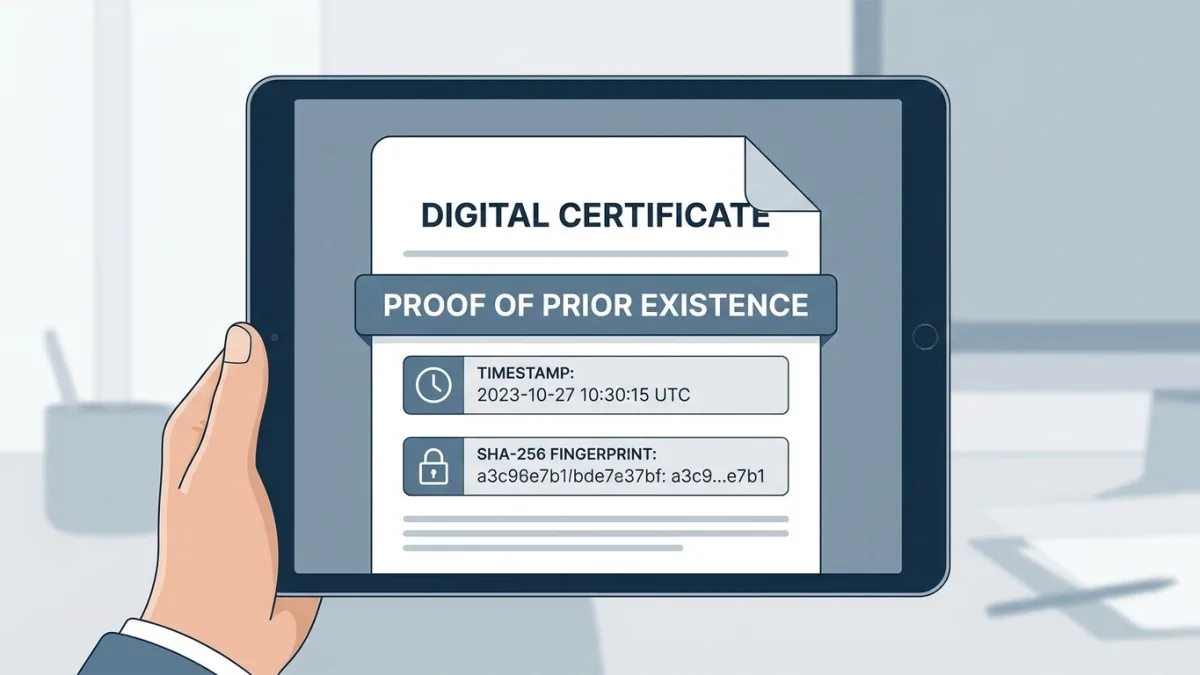
Copyright01 offers a streamlined solution tailored for digital creators. By registering your video files, scripts, or audio tracks, you receive a professional PDF certificate featuring a SHA-256 fingerprint and digital timestamping. This provides robust evidence of your creation date, recognized across the 181 countries of the Berne Convention.
Your deposits are securely preserved for a minimum of 10 years, protected by server-side AES-256 encryption. This ensures your original files remain confidential and intact, ready to be used as evidence whenever you need them.
📋 Key takeaway: Establishing proof of prior existence before a dispute arises gives you a significant advantage when dealing with platform mediators or legal professionals.
Register Your Videos Before Publishing
Integrating copyright registration into your upload workflow is highly recommended. With Copyright01, you can secure your files quickly. You can Create a free account and benefit from 3 free deposits. Once you exhaust your free tier, you can purchase convenient credit packs starting from EUR 4.90, or opt for a subscription at EUR 9.90/month or EUR 79/year for continuous protection of your growing channel.
Furthermore, anyone can Verify a certificate using our tools, and you can even choose to display your protected works on the Public deposit registry to deter potential thieves before they even attempt to download your content.
Resolving Disputes Outside of YouTube
Sometimes, using platform tools isn't the only—or the best—way to resolve an issue. Depending on the nature of the theft, you might want to explore alternative avenues.
Contacting the Uploader Directly
Before launching a formal DMCA strike, consider reaching out to the channel owner. In some cases, inexperienced creators genuinely do not understand copyright laws and believe that giving "credit" in the description is enough to avoid infringement.
A polite but firm email requesting the removal of the stolen YouTube video can often resolve the situation within hours, saving both parties the stress of strikes and counter-notifications. You can find their email address in the "About" section of their YouTube channel.
Understanding Authors Rights vs Copyright
Depending on where you and the infringer are located, the legal framework may vary slightly. It is helpful to understand the nuances of international law, especially if the dispute escalates. For a deeper dive into these differences, read our article on Authors Rights and Copyright Differences.
When to Seek Legal Counsel
If the stolen video has generated significant revenue, caused reputational damage, or if the infringer files a bad-faith counter-notification, it may be time to consult an intellectual property attorney.
An attorney can issue a formal Cease and Desist letter, which carries more weight than a standard email. If you have registered your work with Copyright01, providing your lawyer with your PDF certificate and digital timestamping will greatly accelerate their ability to build a strong case on your behalf.
Conclusion
Learning how to remove a stolen YouTube video is a necessary skill for any modern content creator. By understanding the DMCA process, utilizing YouTube's built-in tools like the Copyright Match system, and knowing how to submit a proper webform request, you can effectively police your intellectual property.
However, reactive measures are only half the battle. Proactively securing your work by establishing proof of prior existence ensures you are always prepared for a dispute. Register your scripts, raw footage, and final edits with Copyright01 to lock in your creation dates securely. Protect your creative business today so you can focus on what you do best: making incredible videos.
Copyright01
Free copyright protection service. PDF certificate with SHA-256 fingerprint, recognised in 181 countries.