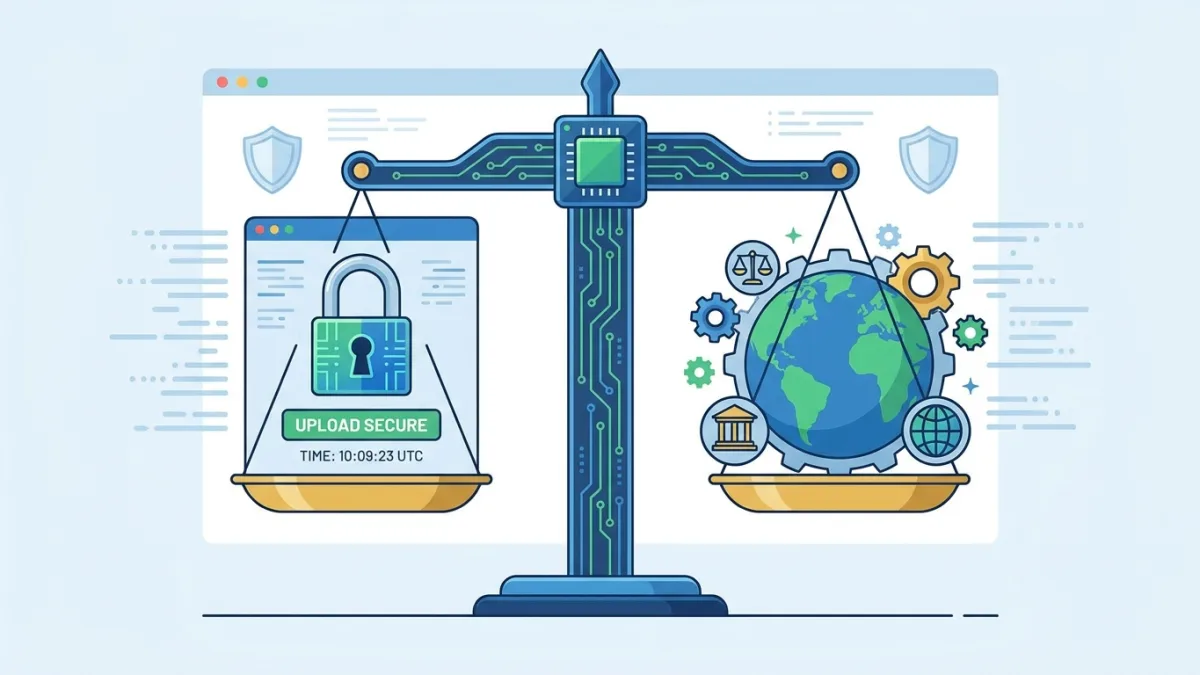
Discover the key differences between authors rights vs copyright systems. Learn how to protect your intellectual property globally and secure your work.
When navigating the complex world of intellectual property, creators often encounter two distinct legal frameworks. Understanding the nuances of authors rights vs copyright is crucial for anyone looking to secure their creative output across different global jurisdictions. Whether you are a freelance graphic designer, an independent software developer, or an established digital agency, knowing how these systems operate can make a massive difference in how you manage, distribute, and monetize your creations.
In our increasingly digital and globalized economy, content crosses borders in milliseconds. A photograph uploaded in New York is viewed instantly in Paris, Tokyo, and Sydney. Because legal systems differ from one region to another, establishing a clear, documented link between you and your work is paramount. This is a primary reason Why register your copyright? – it provides you with recognized proof of prior existence regardless of the legal tradition governing your specific location.
The Philosophical Divide in Intellectual Property
To fully grasp the differences between these two systems, we must look at their historical and philosophical origins. While both aim to protect creators and their works, they approach the concept of intellectual property from fundamentally different angles.
The Common Law Approach
The system utilized primarily in the United States, the United Kingdom, Australia, and other common law jurisdictions is fundamentally utilitarian. Its primary goal is to encourage the creation of new works for the benefit of the public by offering creators a temporary monopoly over the economic exploitation of their creations.
Under this system, the focus is placed heavily on the economic investment and the physical manifestation of the work. Because the emphasis is on commerce and public benefit, this framework easily accommodates corporate ownership. If a company hires an individual to create software or write an article, the company can be considered the legal author from the moment of creation under the "work made for hire" doctrine.
The Civil Law Approach
Conversely, the system prevalent in continental Europe, Latin America, and other civil law jurisdictions is rooted in natural rights philosophy. It views a creative work as an extension of the creator's personality. Therefore, the protection granted is heavily focused on the human individual who breathed life into the creation.
This framework grants powerful "moral rights" to the human creator, which remain with them even if they sell the economic rights to a publisher or corporation. Recent legislative updates, such as those detailed in the EU Copyright Directive 2019/790 Explained, continue to strengthen the position of individual creators in the digital single market, ensuring they receive fair remuneration and maintain control over how their works are used online.
💡 Tip: If you collaborate with international clients, always specify in your contracts which country's jurisdiction will govern the agreement, as this dictates whether common law or civil law principles will apply to your intellectual property.
Key Differences Between the Two Systems
While the end goal of preventing unauthorized use is similar, the mechanics of how protection is applied vary significantly. Below is a breakdown of the primary distinctions.
| Feature | Common Law System | Civil Law System |
|---|---|---|
| Philosophical Basis | Utilitarian / Economic incentive | Natural rights / Extension of personality |
| Initial Ownership | Can be a corporation (Work for Hire) | Almost always the human creator |
| Moral Rights | Limited, often waivable | Extremely strong, usually inalienable |
| Exceptions | Broad "Fair Use" doctrine | Specific, narrow statutory exceptions |
| Focus | Protecting the investment and distribution | Protecting the author's bond with the work |
Moral Rights and Creator Control
Moral rights are the bedrock of the civil law system. They typically include the right of paternity (the right to be credited as the author), the right of integrity (the right to object to derogatory treatment or modification of the work), the right of disclosure (deciding when and how the work is published), and sometimes the right of withdrawal.
In common law jurisdictions, moral rights are often limited strictly to specific types of visual art or can be entirely waived by the creator in a contract. In civil law countries, these rights are generally inalienable; you cannot sell or waive your right to be recognized as the creator of your work.
Economic Rights and Corporate Ownership
Both systems grant economic rights, which include the exclusive right to reproduce, distribute, perform, and adapt the work. However, the common law system is much more flexible regarding who can hold these rights initially. Corporations rely heavily on this flexibility to secure ownership of assets created by their employees. If you are designing branding assets, it is essential to understand how these rights transfer, which you can explore further in our guide on how to Protect Your Logo: Trademark vs Copyright.
Fair Use vs Specific Exceptions
Another major difference lies in how third parties can use protected works without permission. The common law system uses "Fair Use" or "Fair Dealing," which is a flexible, multi-factor test evaluating the purpose, nature, amount, and market effect of the use. Civil law systems do not have a broad fair use doctrine; instead, they rely on a strict list of specific statutory exceptions, such as quoting for criticism, parody, or educational purposes.
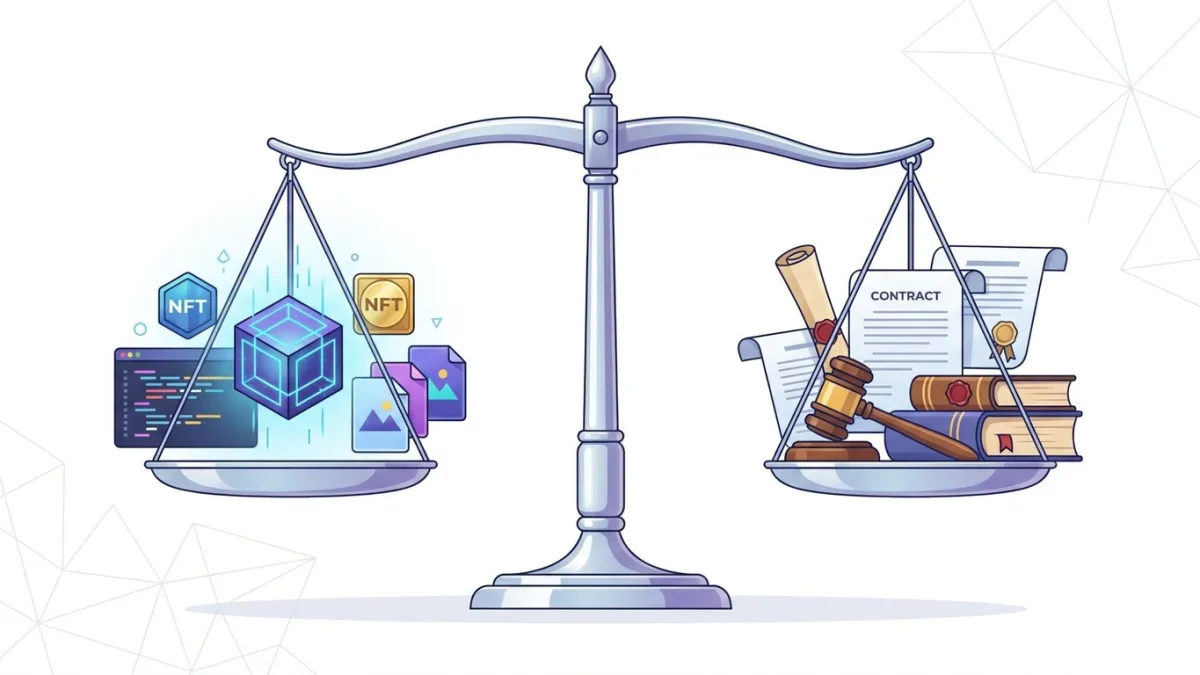
Global Protection and International Treaties
Despite these philosophical and structural differences, international commerce necessitates a unified approach to intellectual property protection. Creators need assurance that their work will be respected globally, regardless of the local legal framework.
Bridging the Gap Internationally
The most critical international treaty bridging these two systems is the Berne Convention. Signed by 181 countries, this treaty establishes minimum standards for the protection of creative works globally. It mandates the principle of "national treatment," meaning that a work originating in one member state must be given the same protection in all other member states as they grant to their own nationals.
Crucially, the treaty stipulates that protection is automatic upon the creation and fixation of the work in a tangible medium. You do not need to pass a formal examination to be protected. However, while protection is automatic, proving that you were the original creator at a specific point in time remains the responsibility of the author.
Proof of Prior Existence
Because protection is automatic but disputes are common, having robust proof of prior existence is your strongest asset. Historically, creators used methods like mailing a sealed envelope to themselves. If you are curious about how traditional methods compare to digital solutions, read our breakdown of the Soleau Envelope vs Modern Free Copyright.
When a conflict arises, courts in both civil and common law jurisdictions look for objective evidence of creation. Having a clear, time-stamped record is essential for Winning Your Copyright Dispute Online, especially when dealing with international infringers who might attempt to claim your work as their own.
⚠️ Warning: Never rely solely on the creation date metadata found in your computer files (like a "Date Created" tag on an image or document). This metadata can be easily altered and is rarely accepted as strong evidence in a legal dispute.
How to Protect Your Creative Work Worldwide
To navigate the complexities of both systems effectively, you must establish a verifiable timeline for your creations. This is where modern digital registration services step in to provide peace of mind.
Establishing Proof of Creation
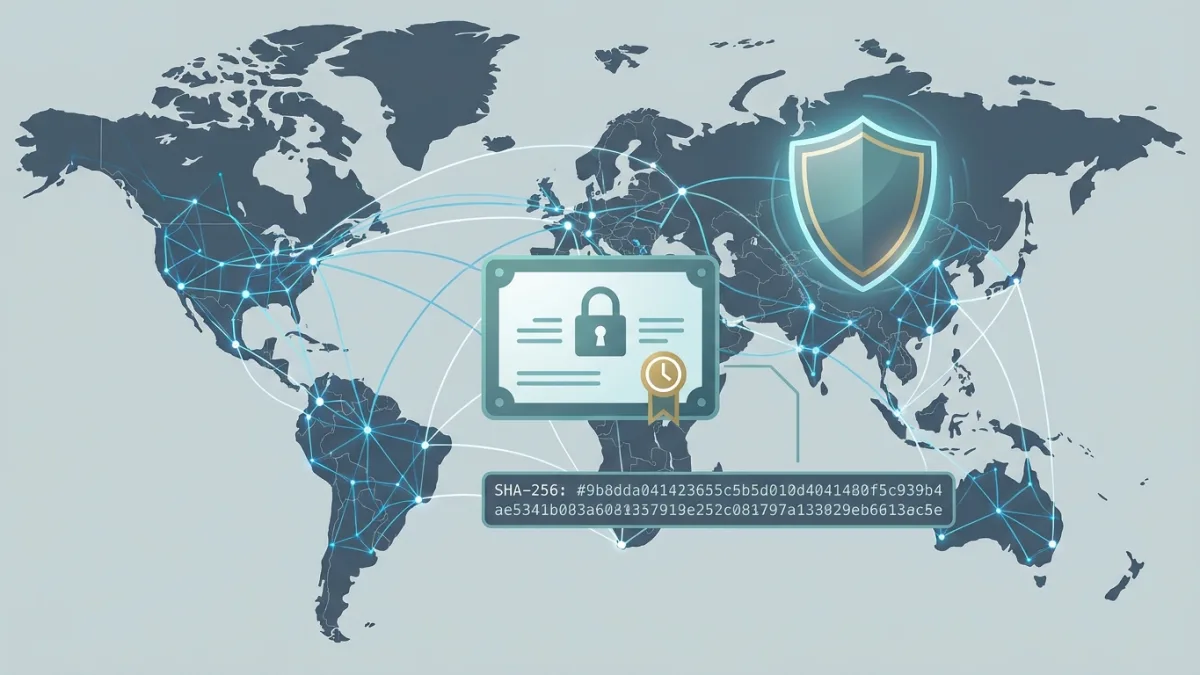
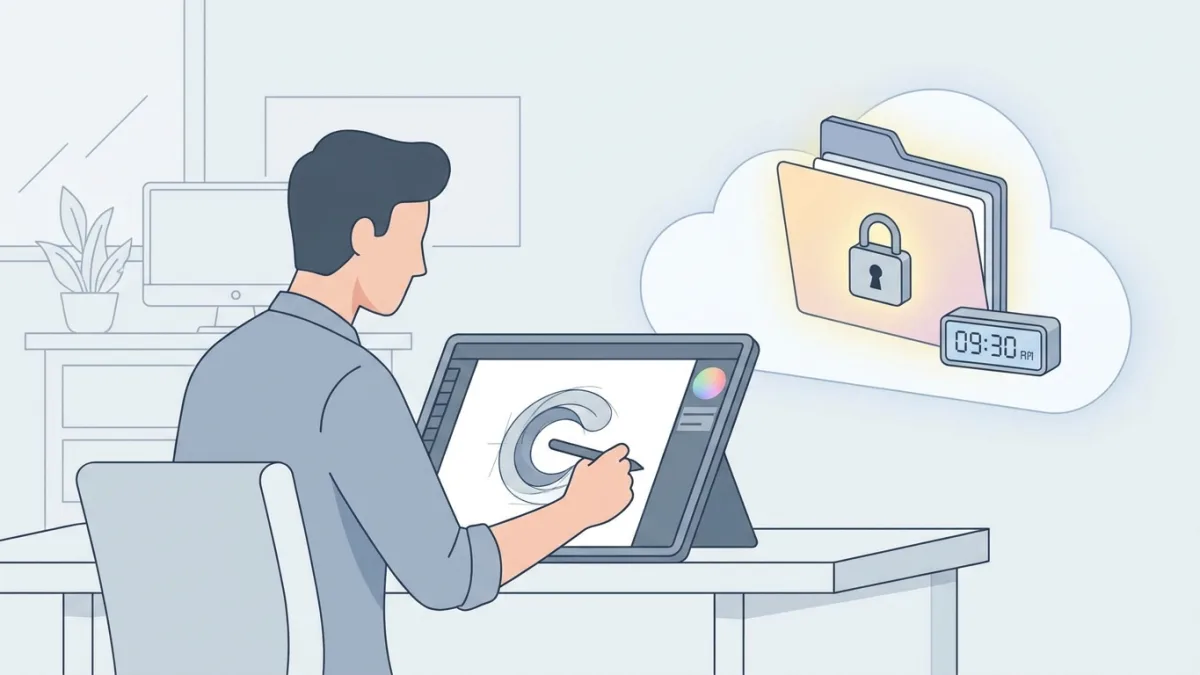
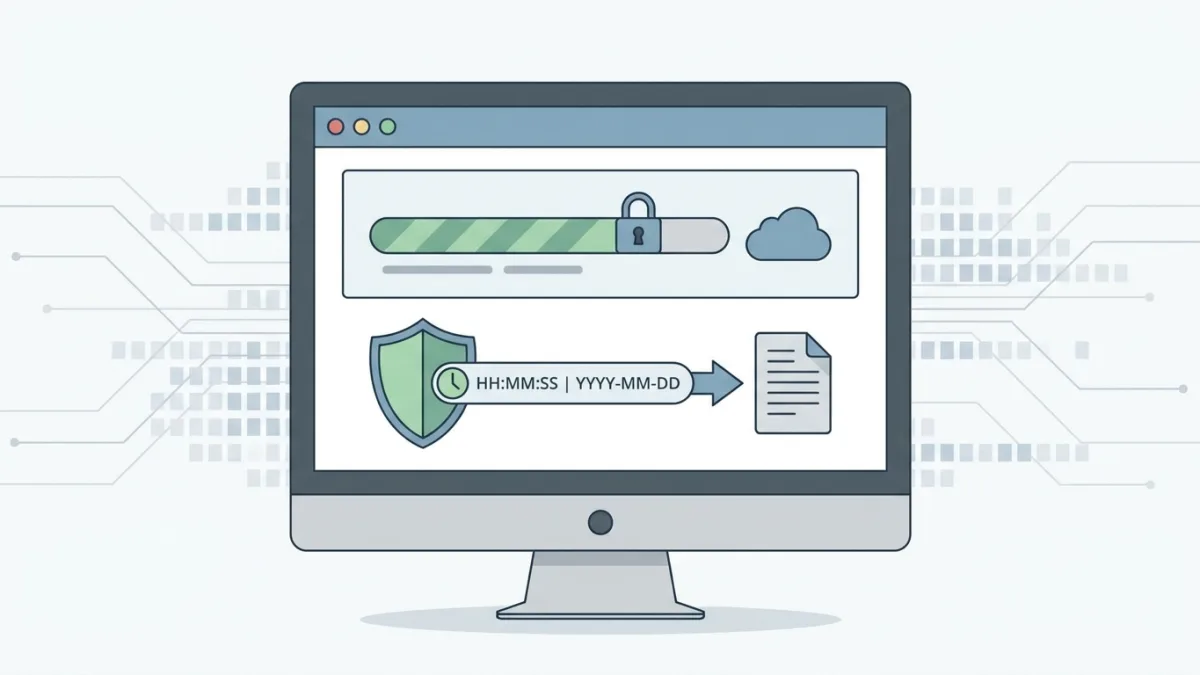
Copyright01 offers a streamlined solution to generate recognized proof of prior existence in all 181 countries bound by international treaties. By registering your work, you generate a PDF certificate with an SHA-256 fingerprint and digital timestamping. This process anchors your file in time, providing a clear date of creation.
The service is designed to be accessible for all types of creators. You can start by utilizing 3 free deposits. For ongoing protection, credit packs are available starting from EUR 4.90, or you can opt for a subscription at EUR 9.90/month or EUR 79/year. Your deposits are preserved for a minimum of 10 years and are protected using robust server-side AES-256 encryption.
Modern Registration Solutions
Registering your work is straightforward. You simply Create a free account and upload your file. The system accepts a wide variety of deposit types, including text, image, audio, video, source code, and even content directly from a website, GitHub, YouTube, Instagram, Facebook, X, or TikTok.
Once registered, you or any third party can easily Verify a certificate using the unique identifier. Additionally, creators have the option to display their protected works in a Public deposit registry, adding an extra layer of deterrence against potential infringers by publicly asserting authorship.
📋 Key takeaway: Regardless of whether you live in a civil law or common law country, securing digital proof of creation with a cryptographic timestamp is the most effective way to protect your intellectual property globally.
Navigating Specific Content Types
Different types of creative work face unique challenges depending on the legal system and the medium of distribution. Here is how you can apply these principles to various fields.
Digital Content and Social Media
Digital artists and content creators are highly vulnerable to theft. Platforms like Etsy and Amazon are frequently targeted by copycats who scrape designs and sell them as their own. To combat this, you need a solid foundation of proof. Learn the specific steps to take in our guide on How to Stop Etsy and Amazon Design Theft.
Similarly, podcasters and audio creators distribute their work globally via RSS feeds, making them susceptible to unauthorized reproduction. Securing your audio files and show notes is critical; find out how in the Complete Podcast Copyright Protection Guide. For those operating in the Web3 space, ensuring your digital assets are protected before minting is essential. Read more about Protecting Your NFT Intellectual Property.
Software, Code, and Freelance Work
Software developers face a unique landscape. In common law systems, code written for an employer is entirely owned by the company. However, independent developers and freelancers must be cautious. Whether you are building proprietary software or contributing to public repositories, consulting the Open Source Copyright Guide for Developers will help you understand your rights. Additionally, app developers should review How to Protect Your Mobile App Copyright to safeguard their UI, UX, and underlying source code.
Freelancers of all disciplines—writers, designers, consultants—often send drafts and final files to clients before receiving full payment. This exposes them to the risk of a client using the work without paying. To mitigate this risk, always establish proof of creation early in the process. Discover the best practices to Protect Your Freelance Work Before Delivery to maintain leverage and secure your rightful compensation.
By understanding the fundamental differences between the two major legal frameworks and proactively securing your proof of creation, you can confidently share, sell, and distribute your creative work on a global scale.
Copyright01
Free copyright protection service. PDF certificate with SHA-256 fingerprint, recognised in 181 countries.