Discover how intellectual property laws apply to NFTs. Learn why copyright registration is vital to protect your digital assets and creative work online.
The rapid expansion of the Web3 ecosystem has completely transformed how we value and trade digital assets. However, navigating NFT intellectual property remains a complex challenge for digital artists, developers, and collectors alike. When you mint an artwork on the blockchain, do you automatically secure its copyright? The short answer is no.
Understanding the intersection of decentralized technology and traditional legal frameworks is crucial for anyone creating or investing in digital assets. Relying solely on a smart contract is a common mistake that can leave your creative work vulnerable to theft and unauthorized commercialization. This comprehensive guide explores the limitations of blockchain ownership and explains why formal copyright registration provides the essential proof of prior existence needed to protect your digital creations.
Understanding NFT Intellectual Property
To grasp how copyright law applies to Non-Fungible Tokens (NFTs), we first need to separate the technology from the underlying creative work. A common misconception in the digital art world is that buying an NFT means buying the copyright to the artwork.
What Exactly Do You Own?
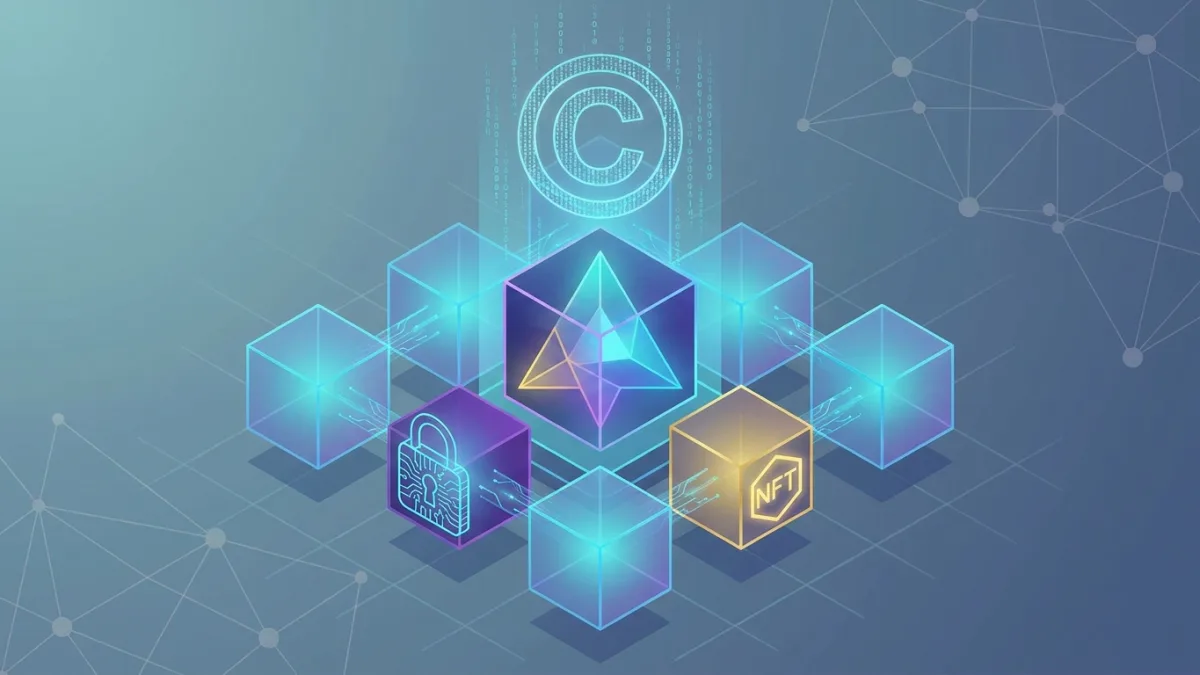
When you purchase an NFT, you are typically buying a digital token—a unique receipt recorded on a blockchain. This token contains metadata, which usually includes a hyperlink pointing to an image, video, or audio file hosted on an external server or a decentralized storage system like IPFS.
Owning the token gives you property rights over that specific digital receipt, allowing you to transfer, sell, or hold it. However, it does not automatically transfer the copyright of the underlying artwork. The original creator retains the exclusive rights to reproduce, distribute, display, and create derivative works from the art, unless a formal, written transfer of copyright is executed. Failing to understand this distinction is one of the 10 Critical Copyright Mistakes creators and buyers make in the Web3 space.
The Smart Contract Myth
Smart contracts are self-executing lines of code that facilitate the minting and trading of NFTs. While they are excellent for automating royalties on secondary sales within specific marketplaces, they are not legal contracts in the traditional sense. A smart contract cannot prevent someone from right-clicking and saving your image, nor can it serve as recognized legal documentation in a copyright dispute.
💡 Tip: Never assume that an automated smart contract replaces a traditional legal agreement or formal copyright registration. Always document your rights outside the blockchain.
The Gap Between Blockchain and Copyright Law
While blockchain technology offers transparency regarding the transaction history of a token, it falls short when it comes to proving the original authorship of the underlying asset.

Why Minting is Not Copyrighting
Minting an NFT simply records a transaction at a specific date and time. It does not verify that the person minting the token is the actual creator of the artwork. Anyone can download an image from the internet and mint it on a blockchain. Because decentralized platforms do not have built-in copyright verification systems, the burden of proving original authorship falls entirely on the creator.
If a dispute arises, you need strong evidence that you created the work before it was minted or copied. This is where traditional copyright registration methods outshine blockchain ledgers. If you compare a Soleau Envelope vs Modern Digital Registration, you will find that digital copyright deposits provide the robust, timestamped evidence required to establish prior existence.
Global Recognition and the Berne Convention
Copyright law is territorial, but thanks to international treaties, creators enjoy broad protection. The Berne Convention is an international agreement governing copyright, ensuring that works created in one of the 181 member countries are automatically protected in all other member countries.
However, "automatic protection" does not mean "automatic proof." To enforce your rights globally—especially against anonymous Web3 users—you need a reliable way to prove exactly when your work was created. A formal digital deposit provides this crucial proof of prior existence, which is recognized across Berne Convention member states.
Why Register Your Copyright Before Minting NFTs?
The decentralized nature of Web3 makes it a fertile ground for bad actors. To safeguard your NFT intellectual property, you must take proactive steps before your work ever touches a blockchain.
Establishing Prior Existence
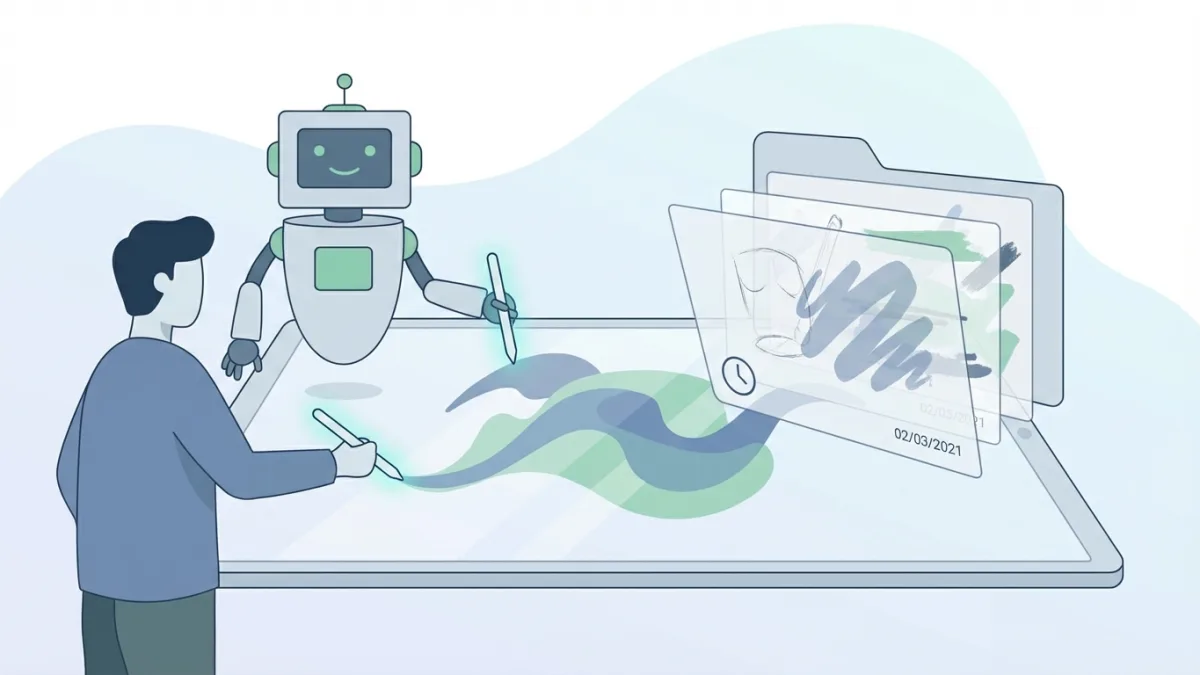
The golden rule of copyright protection is establishing a verifiable timeline. By registering your digital files before minting them, you create a definitive record of your authorship.
Modern registration services use Digital Timestamping and Copyright Evidence to lock in the creation date. When you make a deposit, a unique SHA-256 fingerprint (a cryptographic hash) is generated for your file, accompanied by a digital timestamp. This creates a strong, verifiable link between you and your creation that predates any blockchain transaction.
📋 Key takeaway: To learn more about the strategic advantages of establishing prior existence, read our detailed guide on Why register your copyright?.
Deterring Digital Art Theft
Scammers frequently scour social media and portfolio sites for high-quality art to steal and mint as their own. If you share your work online to build hype for an upcoming NFT drop, you are exposing yourself to theft.
By registering your work early, you are prepared to file swift Digital Millennium Copyright Act (DMCA) takedown notices against infringing marketplaces. You can also Stop Social Media Photo Theft by proving to platforms like X, Instagram, or Discord that you hold the original copyright.
Common NFT Copyright Infringements
The explosion of the NFT market has led to specific types of intellectual property violations that creators must watch out for.
Copy-Minting and Plagiarism
"Copy-minting" occurs when an unauthorized individual takes someone else's original artwork and mints it as an NFT. This is a direct violation of the creator's reproduction and distribution rights. We see similar patterns of infringement in traditional e-commerce, where creators constantly struggle to How to Stop Etsy and Amazon Design Theft.
Another common issue is derivative works. While Web3 culture often embraces remixes and derivative projects, creating an NFT based on someone else's copyrighted character or artwork without permission is illegal.
Taking Action Against Infringers
When you discover your work has been stolen and minted, you must act quickly. Most major NFT marketplaces, such as OpenSea or Rarible, have dedicated copyright infringement reporting mechanisms.
To successfully have a stolen NFT delisted, you must provide evidence of your original copyright. If your work is also being displayed on unauthorized sites, you can Detect Website Plagiarism and Take Action by sending cease-and-desist letters backed by your registration certificate.
| Feature | Blockchain Minting | Formal Copyright Registration |
|---|---|---|
| Primary Purpose | Records ownership of a digital token | Establishes proof of prior existence for a creative work |
| Verification of Authorship | None (anyone can mint any file) | Requires an account and links the file to a specific identity |
| Legal Recognition | Rarely sufficient in traditional courts | Admissible evidence recognized in 181 countries |
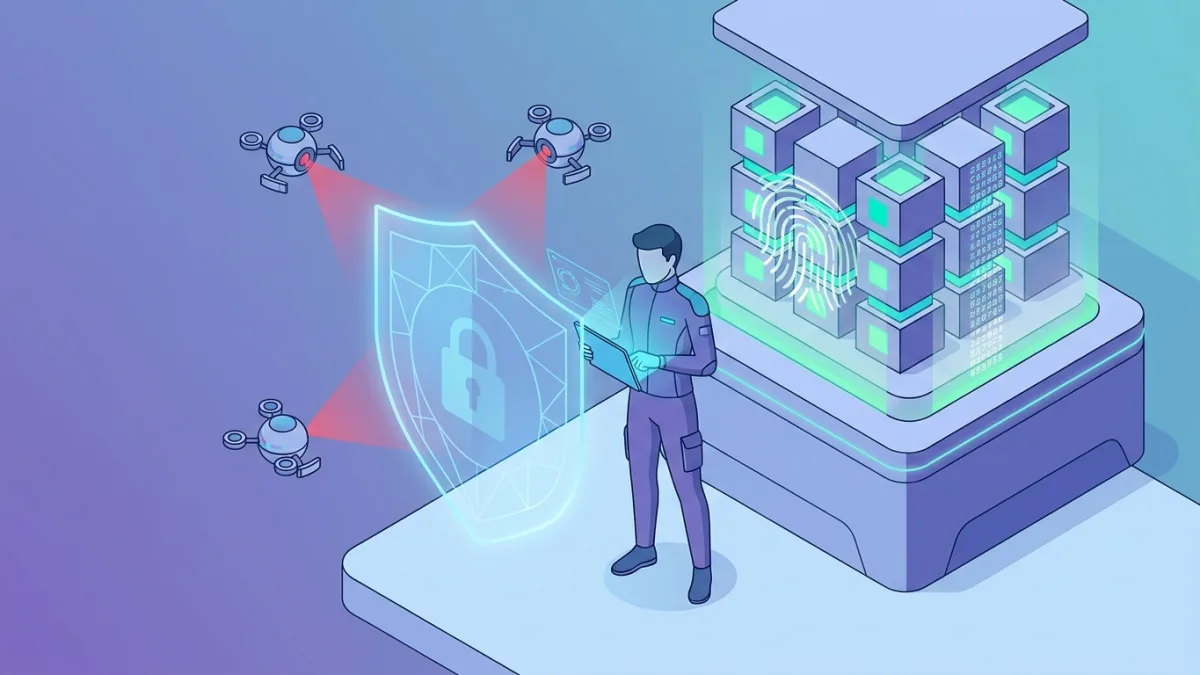
| File Protection | Publicly accessible metadata | Private, secure storage with server-side AES-256 encryption |
| Timestamping | Transaction block time | Standardized digital timestamping with SHA-256 fingerprint |
Protecting Different Types of Digital Assets
NFTs are not limited to 2D digital art. The Web3 space encompasses a wide variety of creative formats, all of which require distinct approaches to copyright protection.
Audio and Video NFTs
Musicians and filmmakers are increasingly using NFTs to distribute their work directly to fans. Audio and video files are large and complex, often involving multiple rights holders (e.g., songwriters, producers, performers). Before minting an audiovisual project, it is crucial to register the master files. For audio creators, reviewing a Complete Podcast Copyright Protection Guide can provide valuable insights into securing spoken-word or musical audio files.
Utility NFTs and Source Code
Many modern NFTs offer "utility," granting holders access to software, games, or exclusive decentralized applications (dApps). The value of these NFTs often lies in the underlying code.
Developers must protect their proprietary algorithms and smart contract structures before deploying them. Just as you would How to Protect Your Mobile App Copyright, you should register the source code of your Web3 applications.
Literary Works and Written Content
Text-based NFTs, such as digital poems, short stories, or exclusive articles, are also gaining traction. Writers should secure their manuscripts before offering them as digital collectibles. The process is very similar to How to Protect Your Book Before Publishing—you deposit the text document to generate a timestamped proof of authorship.
⚠️ Warning: Never publish your whitepapers, lore, or roadmaps without securing the text first. Competitors can easily copy your project's written foundation.
How Copyright01 Helps Secure Your NFT Project
Protecting your NFT intellectual property doesn't have to be complicated or expensive. Copyright01 provides a streamlined, highly secure platform designed to give creators peace of mind before they mint their digital assets.
When you use our service, your files are protected by robust server-side AES-256 encryption. We generate a PDF certificate containing a SHA-256 fingerprint and standardized digital timestamping for every deposit. This certificate serves as strong evidence of prior existence, recognized across the 181 member countries of the Berne Convention.
Flexible and Accessible Protection
We understand that digital creators produce a high volume of work. That is why we offer flexible options tailored to your needs. You can start by taking advantage of our 3 free deposits to test the system. After that, you can purchase credit packs starting from just EUR 4.90, or opt for a subscription at EUR 9.90/month or EUR 79/year for continuous protection.
Your deposits are safely preserved for a minimum of 10 years, ensuring long-term security for your creative portfolio. We support a wide range of deposit types, including text, image, audio, video, source code, websites, GitHub repositories, and social media content from YouTube, Instagram, Facebook, X, and TikTok.
Transparency and Verification
Transparency is key in the digital age. With Copyright01, you can easily Verify a certificate at any time to prove your authorship to marketplaces, collaborators, or legal entities. You can also choose to display your protected works in our Public deposit registry, acting as a public notice of your rights and a strong deterrent to potential infringers.
If you are evaluating different services to protect your digital art, you can review how we stand out in this guide on the Best French Copyright Platforms Compared.
Ready to secure your NFT intellectual property before your next drop? Create a free account today and ensure your digital creations remain yours.
Conclusion
The innovation of NFTs has provided creators with incredible new avenues for monetization, but it has not rewritten the fundamental rules of intellectual property. Minting a token is a proof of transaction, not a proof of creation. To truly protect your work in the decentralized web, you must bridge the gap between blockchain technology and traditional copyright law. By systematically registering your digital files, securing timestamped evidence, and understanding your rights, you can safely navigate the Web3 space and build a resilient, protected digital portfolio.
Copyright01
Free copyright protection service. PDF certificate with SHA-256 fingerprint, recognised in 181 countries.