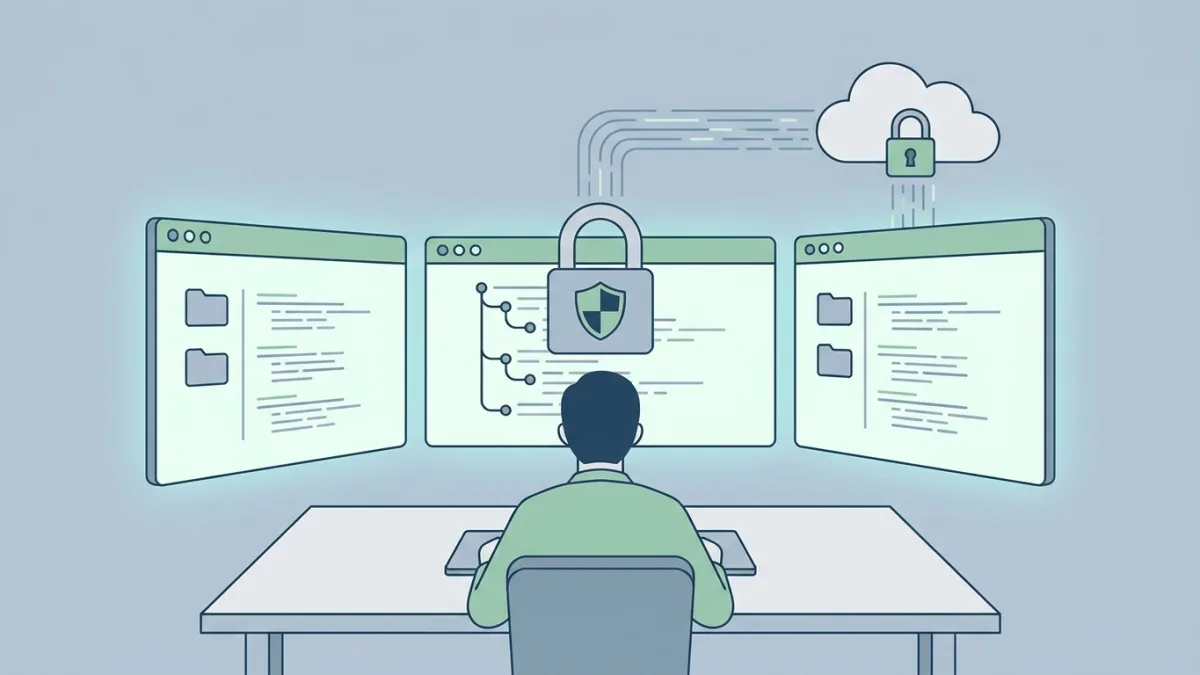
Master open source copyright laws with our developer guide. Learn how to protect your source code, choose the right licenses, and avoid infringement.
When developers write code, they automatically generate intellectual property. However, navigating the complex world of open source copyright can be challenging. Many programmers mistakenly believe that "open source" means "free from copyright restrictions." In reality, open source software relies entirely on copyright law to enforce its licensing terms. Whether you are building a new application, contributing to a community project, or managing a corporate codebase, understanding open source copyright is essential.
In this comprehensive guide, we will explore how developers can safely use open source software, protect their own source code, and avoid costly intellectual property disputes. By establishing a robust strategy for your digital creations, you can focus on writing great code without worrying about unauthorized exploitation.
Understanding Open Source Copyright Basics
What Does Open Source Really Mean?
Open source software is code that is distributed with a specific license allowing users to view, modify, and distribute the source code. However, this does not waive the original creator's rights. The foundation of open source is copyright law itself. When you create original code, you automatically own the copyright. By applying an open source license, you are simply granting others permission to use your work under specific conditions.
The Open Source Initiative (OSI) defines open source through a strict set of criteria, ensuring that the software can be freely distributed and modified. Yet, this freedom is conditional. If a user violates the terms of the license, the copyright holder has the right to revoke those privileges and pursue action for copyright infringement.
💡 Tip: Never assume that code found on the internet is free to use or in the public domain. Always check the repository for a license file. If there is no license, default copyright laws apply, meaning you have no permission to use, copy, or modify the code.
The Role of the Creator
As the author of the code, you hold the exclusive right to decide how your work is shared. If you want to release your project to the public, you must explicitly attach a license. Before doing so, it is wise to establish clear proof of prior existence. This ensures that if someone violates your license terms or claims your code as their own, you have strong evidence of your authorship. Understanding Why register your copyright? is the first crucial step in a solid intellectual property strategy for any software developer.
Common Open Source Licenses Explained
Choosing the wrong license is one of the 10 Critical Copyright Mistakes developers make. Always align your license choice with your project's long-term goals. Open source licenses generally fall into two main categories: permissive and copyleft.
Permissive vs. Copyleft Licenses
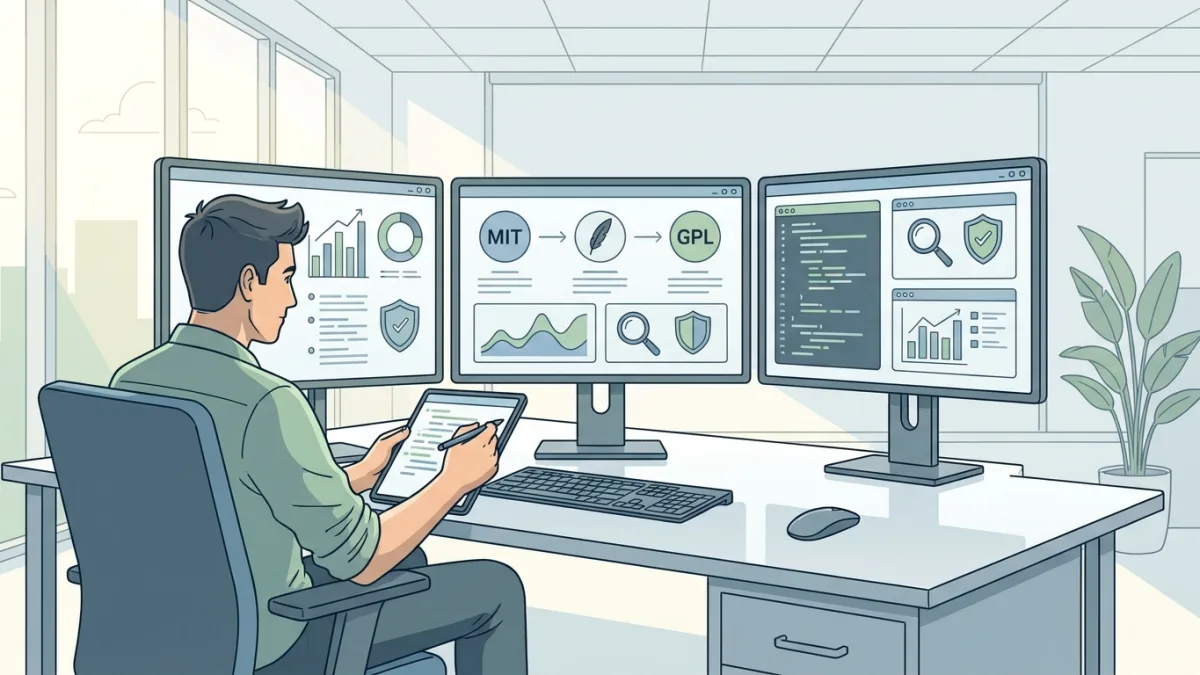
Permissive licenses offer minimal restrictions on how the software can be used, modified, and redistributed. They often allow developers to use the open source code in proprietary, closed-source software without requiring them to release their own source code.
Copyleft licenses, conversely, require that any derivative works also be distributed under the same license terms. This ensures that the software, and any modifications made to it, remain open and accessible to the community.
| License Type | Example | Key Characteristics | Best For |
|---|---|---|---|
| Permissive | MIT License | Very few restrictions; requires copyright notice preservation. | Libraries and tools meant for widespread, unrestricted adoption. |
| Permissive | Apache 2.0 | Includes an explicit grant of patent rights alongside copyright. | Corporate projects and large-scale enterprise software. |
| Copyleft | GNU GPLv3 | Derivative works must be open-sourced under the same license. | Standalone applications where keeping the ecosystem open is a priority. |
| Weak Copyleft | Mozilla Public License | Modifications to existing files must be open-sourced, but new files can be proprietary. | Projects balancing open source collaboration with commercial use. |
The Danger of "No License"
When developers push code to public repositories without attaching a license, they inadvertently create a legal minefield. Under standard copyright law, the author retains all exclusive rights. This means that even if the code is publicly visible on a platform like GitHub, no one else has the right to download, modify, or distribute it. If you want others to collaborate on your project, you must explicitly state the terms of use.
How to Protect Your Own Source Code
Establishing Proof of Prior Existence
Before publishing your code to a public repository, you should secure your authorship. While copyright is automatic upon creation, proving when you created the code can be difficult if a dispute arises. By using an online registration service, you can generate a PDF certificate with a SHA-256 fingerprint. Implementing Digital Timestamping and Copyright Evidence establishes a clear date of creation for your digital assets.
📋 Key takeaway: Registering your code provides a recognized proof of prior existence in 181 countries under the Berne Convention, offering robust international protection for your software projects.
Registering Your GitHub Repositories
Developers frequently use platforms like GitHub, GitLab, or Bitbucket to host their projects. Copyright01 makes it easy to deposit these repositories directly. You can deposit your source code, website files, or even your entire GitHub repository. The deposits are preserved for a minimum of 10 years and secured with server-side AES-256 encryption.
To get started, you can Create a free account and utilize your first 3 free deposits. After that, credit packs are available from EUR 4.90, or you can opt for a subscription at EUR 9.90/month or EUR 79/year for ongoing development needs. If you are developing a comprehensive digital product, you might also want to review How to Protect Your Mobile App Copyright for a broader intellectual property strategy.
Avoiding Copyright Infringement in Software
Best Practices for Using Third-Party Code
Incorporating third-party libraries speeds up development, but it introduces legal risks. If you integrate a GPL-licensed library into a proprietary application, you could be forced to release your entire source code to the public. Always audit the licenses of your dependencies using automated scanning tools.
⚠️ Warning: Do not copy-paste code snippets from forums like Stack Overflow without checking the licensing terms. Most content on Stack Overflow is licensed under Creative Commons, which requires proper attribution.
Handling Contributions and Forks
When other developers contribute to your open source project, who owns the copyright to their contributions? By default, the contributor retains the copyright to their specific code. Many large projects use a Contributor License Agreement (CLA) or a Developer Certificate of Origin (DCO) to ensure the project maintainer has the necessary rights to manage and relicense the software.
If a developer forks your repository, they must still abide by your original license terms. If they fail to do so, you have the right to enforce your copyright.
The Intersection of Software and Other Digital Assets
Protecting UI/UX and Branding
Software is rarely just backend code. The user interface, user experience, and branding elements are equally valuable. UI/UX designers who create and sell software themes or assets face significant challenges. Learning How to Stop Etsy and Amazon Design Theft shares many parallels with preventing unauthorized distribution of commercial software templates.
Furthermore, if you are expanding your brand alongside your software, it is vital to understand the differences between protecting your code and your branding by reading about Protect Your Logo: Trademark vs Copyright.
Documentation and Multi-Media Assets
Software developers often create accompanying documentation, video tutorials, and marketing materials. You can register these assets just as easily as your source code. Just as authors must learn How to Protect Your Book Before Publishing, developers must secure their code and documentation before pushing it to a public repository.
Whether you need to protect a promotional video on YouTube, or you are exploring new technologies and need to know about Protecting Your NFT Intellectual Property, maintaining a comprehensive deposit strategy is vital. For creators venturing into different media formats to promote their software, such as audio discussions, our Complete Podcast Copyright Protection Guide or guides on how to Stop Social Media Photo Theft provide excellent supplementary knowledge.
Managing Your Software Intellectual Property Long-Term
Commercializing Open Source Projects
Many developers successfully monetize open source software through dual-licensing models. In this setup, the software is offered under a strict copyleft license for open source projects, but a commercial license is sold to companies that want to use the code in proprietary applications.
To enforce this, you must have clear, documented ownership of the entire codebase. Having your work registered in a Public deposit registry can deter potential infringers and prove to enterprise clients that you hold the necessary rights to issue commercial licenses.
Choosing the Right Protection Platform
When choosing a service to secure your digital rights, it is helpful to look at industry reviews, such as the Best French Copyright Platforms Compared, to understand the features that matter most. Look for platforms that offer SHA-256 fingerprinting, digital timestamping, and reliable storage for a minimum of 10 years.
Finally, if you ever need to prove your software's registration status to a client, investor, or collaborator, they can easily Verify a certificate directly through the platform, adding a layer of professional trust to your software business.
By proactively managing your open source copyright, you protect your hard work, respect the contributions of the community, and build a sustainable foundation for your development career.
Copyright01
Free copyright protection service. PDF certificate with SHA-256 fingerprint, recognised in 181 countries.