Learn how to prove prior existence against generative AI. Protect your creative work from AI scraping and unauthorized use with digital timestamping today.
Generative artificial intelligence has fundamentally transformed the digital landscape. While tools like ChatGPT, Midjourney, and DALL-E offer incredible capabilities for brainstorming and productivity, they also present a massive, unprecedented threat to independent creators. These AI models are trained on vast datasets, often scraping billions of images, articles, and code snippets without the original creators' consent or knowledge. If an AI generates an output that closely resembles your original work, or if another user claims your AI-scraped work as their own, how do you defend your rights?
To protect your intellectual property in this new era, you must effectively prove prior existence against generative AI. This means demonstrating with clear evidence that your creation existed before the AI model was trained or before another individual generated a similar output. In this comprehensive guide, we will explore how AI threatens your creative assets and the actionable steps you can take to secure a verifiable timeline for your work.
The Growing Threat of Generative AI to Creators
How AI Models Scrape Creative Content
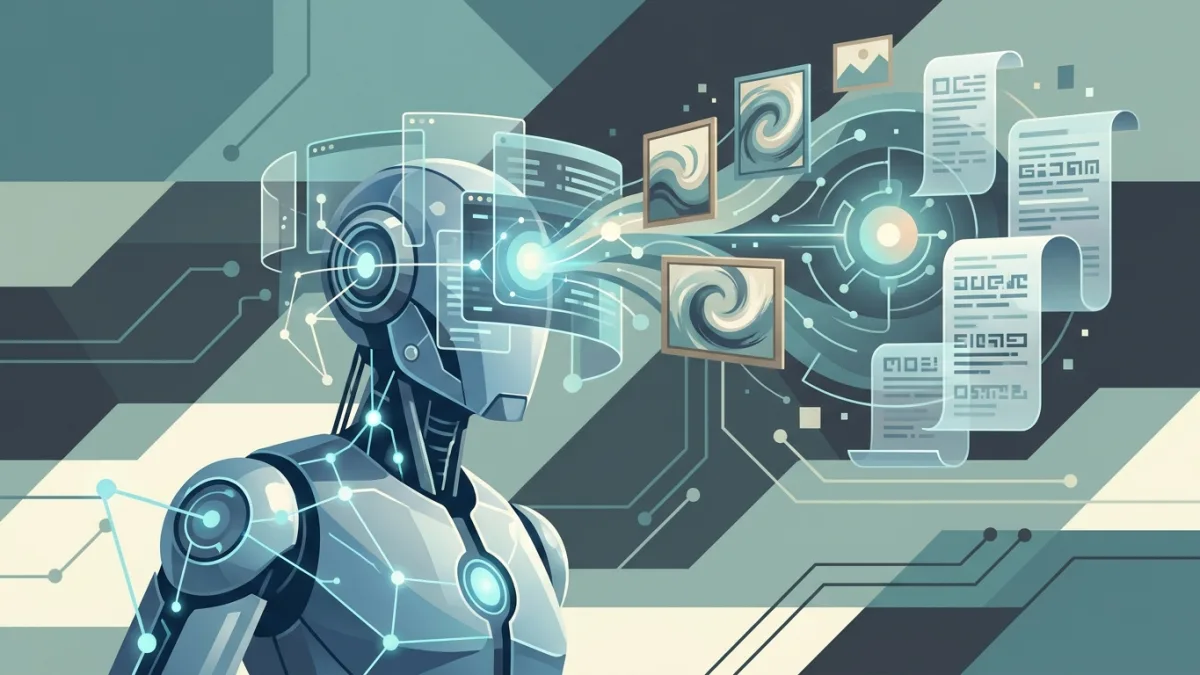
Generative AI models do not create in a vacuum. They rely on massive amounts of training data collected through automated web scraping. These web crawlers scour the internet, indexing and downloading nearly every type of digital content available. Whether you produce text, image, audio, video, source code, or run an entire website, your digital footprint is a prime target for these data-harvesting bots.
Furthermore, AI companies frequently target platforms where creators share their portfolios. Content hosted on GitHub, YouTube, Instagram, Facebook, X, and TikTok is routinely absorbed into training datasets. Once your work is ingested, the AI analyzes its patterns, styles, and structures. Later, when a user enters a prompt, the AI might generate content that is a direct derivative of your original creation, stripping away your attribution and potential revenue.
⚠️ Warning: Relying solely on platform terms of service will not protect you from web scraping. Many AI companies operate in a legal gray area, claiming "fair use" for data mining.
The Burden of Proof on Creators
When a copyright dispute arises involving AI-generated content, the burden of proof falls entirely on the creator. If you discover an AI output that mimics your unique illustration or a block of code identical to your proprietary software, you cannot simply claim ownership based on similarity alone. You must provide concrete evidence that your work predates the AI's output.
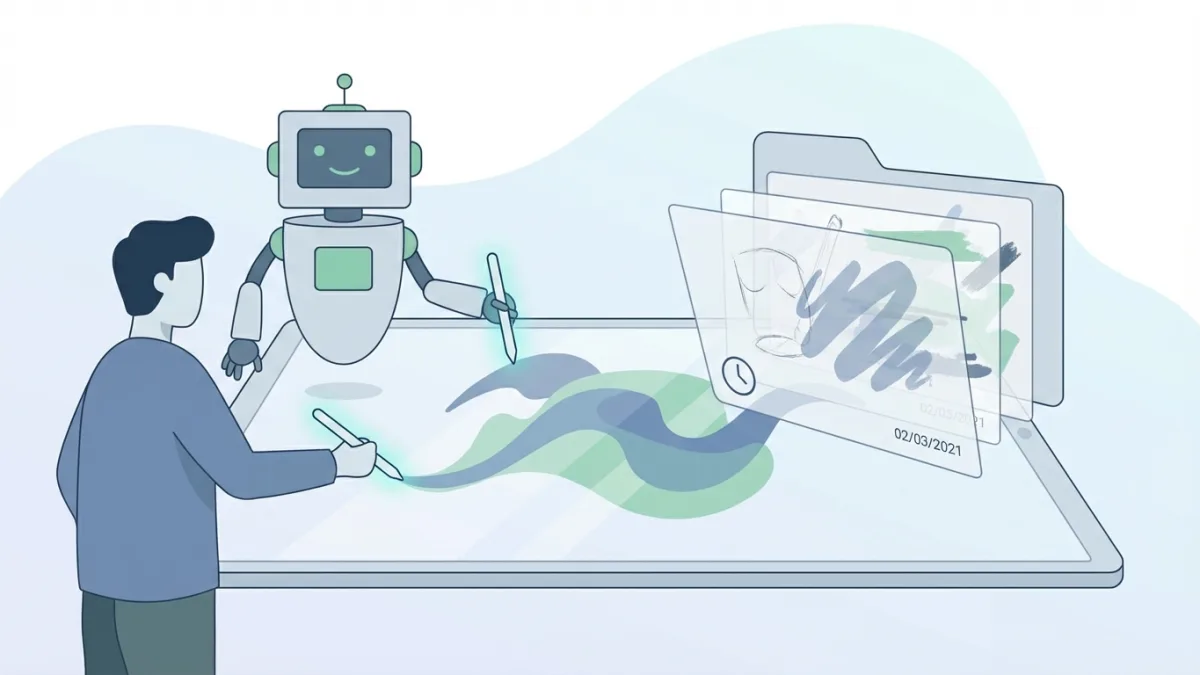
Without a clear timeline, defending your rights becomes exceedingly difficult. AI companies and users who prompt the AI may argue that the resemblance is coincidental or that their generated work is entirely novel. To combat these claims, you need to Timestamp Your Work for Prior Existence before you ever publish it online.
Why You Must Establish a Verifiable Timeline
Establishing the Exact Date of Creation
Under standard copyright principles, your work is protected the moment it is fixed in a tangible medium. However, possessing the copyright and proving you possess it are two very different challenges. In the digital age, file metadata (like the "Date Created" field on your computer) is easily manipulated and is rarely accepted as strong evidence in a dispute.
To effectively challenge AI scraping or unauthorized use, you need a robust method to lock down the exact date and time your work was finalized. By securing a verifiable timestamp, you create a clear historical record. If you want to understand the foundational reasons for doing this, you should explore Why register your copyright? to see how early registration strengthens your position.
Navigating Global Copyright Frameworks
Generative AI is a global phenomenon. A model trained by a company in the United States might scrape a portfolio from a designer in France, and the resulting AI output could be monetized by a user in Japan. Because digital content crosses borders instantly, your protection strategy must also be international.
Fortunately, international treaties provide a framework for creators. The Berne Convention is a pivotal agreement that establishes mutual recognition of copyright across international borders. When you secure proof of prior existence, that evidence is recognized in 181 countries, giving you a powerful tool to enforce your rights globally, regardless of where the AI company or the infringing user is located.
📋 Key takeaway: Your copyright protection strategy must be borderless. Securing a timestamp that aligns with international treaties ensures your work is protected worldwide.
Strategies to Protect Your Work from AI Scraping
The Power of Digital Timestamping
To counter the sophisticated technology of generative AI, creators must adopt equally sophisticated protective measures. Traditional methods of proving creation dates are no longer sufficient. Today, the most effective method is digital timestamping combined with cryptographic hashing.
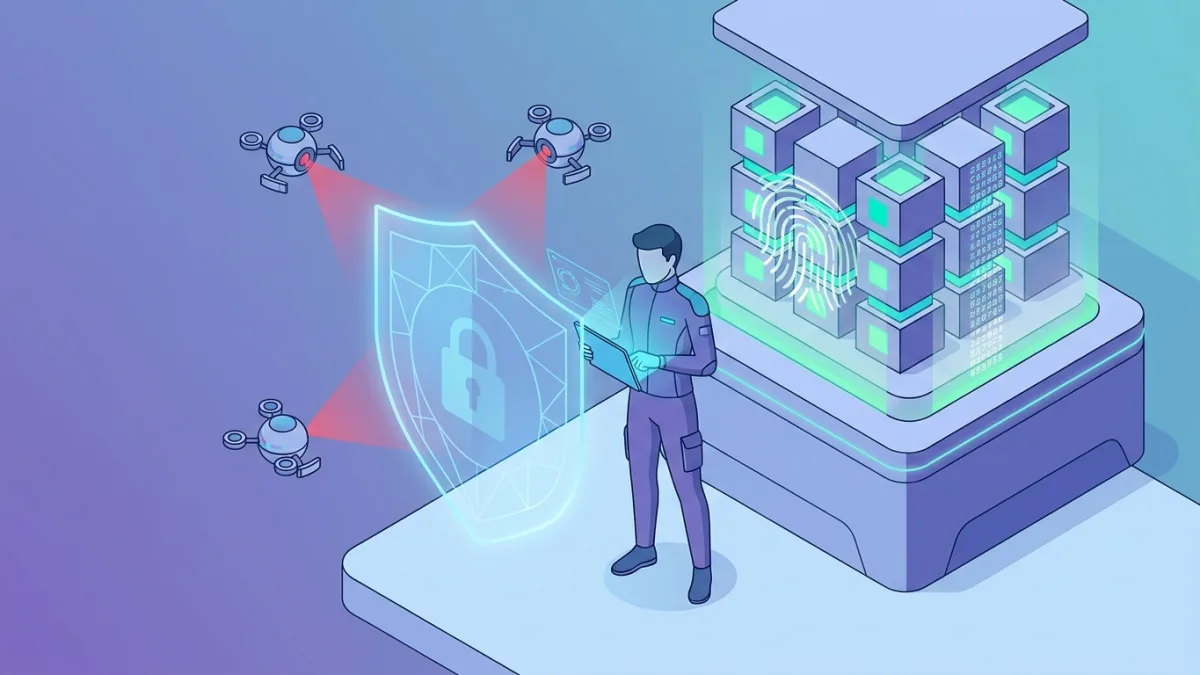
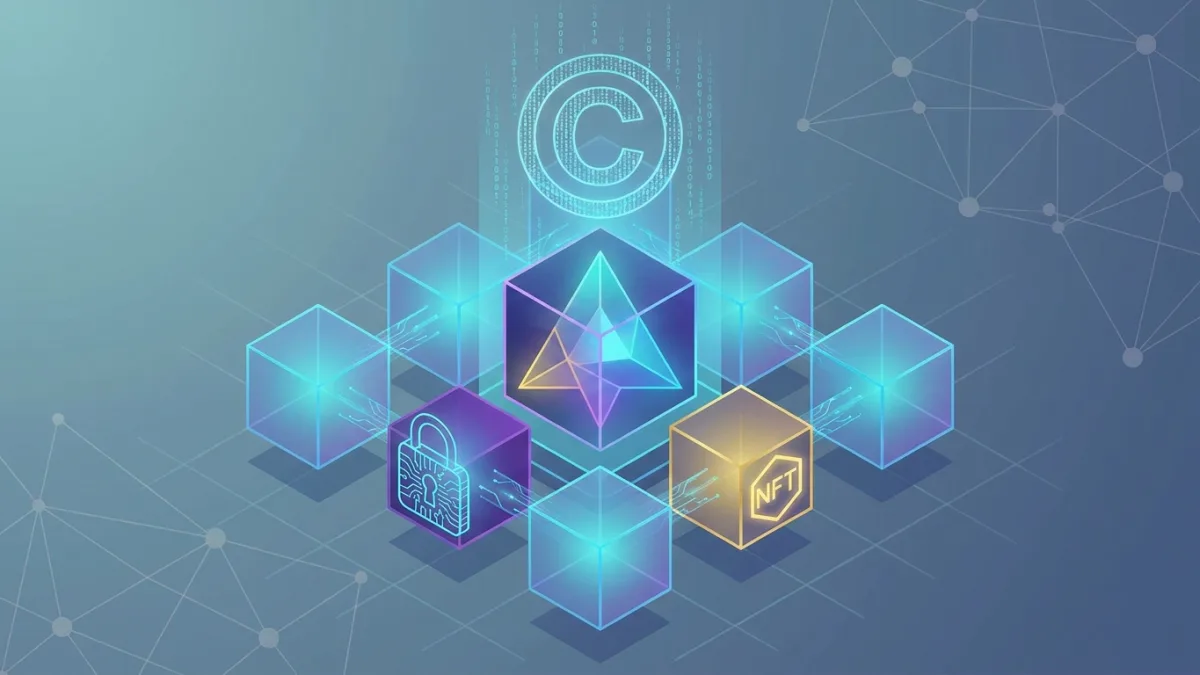
When you register a file, a unique digital fingerprint—known as an SHA-256 hash—is generated. This fingerprint is a long string of characters unique to your specific file. Even the slight alteration of a single pixel or comma will completely change the hash. This fingerprint is then combined with a digital timestamp, creating a secure record of exactly what existed and when. To learn more about this technical process, read How Digital Timestamping Protects Creators.
Securing Your Digital Footprint Across All Media
AI scraping is not limited to text and images. Voice cloning AI and music generation models are actively scraping podcasts, audio tracks, and video voiceovers. If you are a podcaster or musician, your unique voice and audio formats are at risk. It is crucial to Protect Your Podcast With Audio Copyright and take steps to Protect Podcast Audio With Copyright before distributing your episodes on public RSS feeds.
Similarly, developers must safeguard their repositories. Source code hosted on platforms like GitHub can easily be ingested by coding assistants. Registering your code establishes a clear boundary between your proprietary logic and open-source training data.
Comparing Protection Methods
Many creators still rely on outdated methods to protect their work. Below is a comparison demonstrating why modern solutions are necessary in the age of AI.
| Protection Method | Description | Effectiveness Against AI | Global Recognition |
|---|---|---|---|
| Poor Man's Copyright | Mailing a physical copy of the work to oneself. | Very Low (Easily manipulated, outdated for digital files) | Poor |
| File Metadata | Relying on the computer's "Date Created" property. | Low (Easily altered by anyone with basic technical skills) | Poor |
| Social Media Uploads | Using the upload date on platforms like Instagram. | Moderate (Platforms compress files and strip original data) | Moderate |
| Digital Timestamping | Generating an SHA-256 fingerprint with a time record. | High (Provides a secure, verifiable digital footprint) | High (181 Countries) |
For a deeper dive into why outdated methods fail, read about how to Prove Prior Existence Using Timestamping.
How Copyright01 Helps You Defend Your Assets
A Modern Solution for Digital Creators
Defending your work against generative AI requires a service designed for the modern digital ecosystem. Copyright01 provides a streamlined, highly secure platform for creators to register their intellectual property. The service supports a wide array of formats, allowing you to secure text, image, audio, video, source code, website files, and content destined for GitHub, YouTube, Instagram, Facebook, X, and TikTok.
When you use Copyright01, your files are protected with server-side AES-256 encryption, ensuring that your original creations remain private and secure. Your deposits are preserved for a minimum of 10 years, giving you long-term peace of mind.
Accessibility is also a priority. You can start protecting your portfolio immediately with 3 free deposits. After that, flexible pricing options are available to suit your needs: choose from credit packs starting at just EUR 4.90, or opt for a comprehensive subscription at EUR 9.90/month or EUR 79/year. Ready to secure your work? Create a free account today.
Verifying Your Claim Publicly
One of the most critical aspects of proving prior existence is the ability to present your evidence clearly to third parties, such as hosting providers, AI companies, or legal representatives. Upon registration, Copyright01 provides a detailed PDF certificate containing the SHA-256 fingerprint and the digital timestamping record.
If a dispute arises, anyone can easily Verify a certificate using the unique identifiers provided. Additionally, creators can opt to have their registrations listed in the Public deposit registry, adding an extra layer of public transparency to their ownership claims.

Taking Action When AI Copies Your Work
Issuing Takedown Notices
If you discover that an AI has generated content that is a clear derivative of your protected work, or if someone is using AI to replicate your specific style and passing it off as their own, you must take swift action. The first step is often issuing a Digital Millennium Copyright Act (DMCA) takedown notice to the platform hosting the infringing content.
Having a registered timestamp makes this process significantly smoother. When you attach your PDF certificate to a DMCA notice, you provide the hosting provider with strong evidence of your prior claim. For specific guidance on different media types, learn How to Remove a Stolen YouTube Video Fast or discover the steps to Remove Stolen Images With a DMCA Takedown.
Shutting Down Copycats
Sometimes, the infringement goes beyond a single image or video. AI tools make it incredibly easy for bad actors to scrape your entire website, rewrite the text using a language model, and launch a competing site in a matter of hours. If you find yourself in this situation, having a timestamped backup of your website's source code and content is vital. You can use this evidence to contact the copycat's web host and demand removal. Learn exactly How to Shut Down a Website Copying Yours to protect your online business.
Avoiding Critical Errors
When rushing to protect their work from AI, many creators make procedural mistakes that weaken their claims. For instance, publishing work on social media before securing a timestamp can expose the content to scrapers before you have proof of prior existence.
To ensure your protection strategy is flawless, familiarize yourself with the 5 Copyright Mistakes You Must Avoid and be aware of the 5 Fatal Online Copyright Deposit Mistakes that could compromise your digital portfolio.
💡 Tip: Always register your work before you hit publish. The strongest proof of prior existence is a timestamp that predates any public exposure of the file.
Conclusion
The rapid advancement of generative AI presents both opportunities and severe challenges for creators. As AI models continue to scrape the internet for training data, the risk of your original work being absorbed and replicated without credit is higher than ever. You cannot rely on platforms or AI companies to police themselves.
Taking proactive control of your intellectual property is the only way to safeguard your creative future. By utilizing digital timestamping and securing an SHA-256 fingerprint for your files, you establish a clear, internationally recognized timeline of creation. Whether you are an artist, developer, writer, or podcaster, proving prior existence is your strongest defense against unauthorized AI use. Secure your digital footprint today, and ensure that your creative legacy remains firmly in your own hands.
Copyright01
Free copyright protection service. PDF certificate with SHA-256 fingerprint, recognised in 181 countries.