Discover how to prevent social media photo theft and explore legal remedies. Learn to protect your visual works with digital timestamping and copyright.
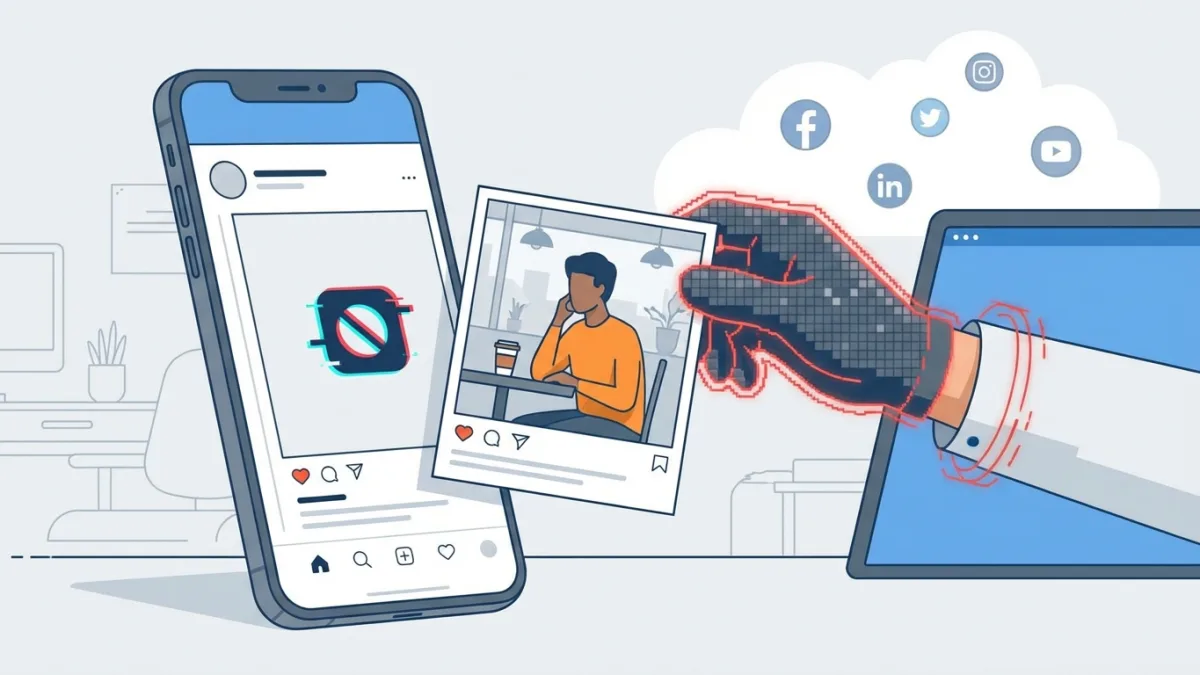
As a photographer, graphic designer, or visual artist, social platforms are essential for showcasing your portfolio and building an audience. However, the ease of sharing content online has led to a massive surge in social media photo theft. A simple right-click or screenshot is all it takes for someone to misappropriate your hard work, often using it for commercial gain without your permission or offering any compensation.
Understanding your rights and knowing how to enforce them is crucial in today's digital landscape. This comprehensive guide explores the mechanisms of image theft online, the preventive measures you can take to safeguard your portfolio, and the legal remedies available when your visual assets are compromised.
Understanding Social Media Photo Theft
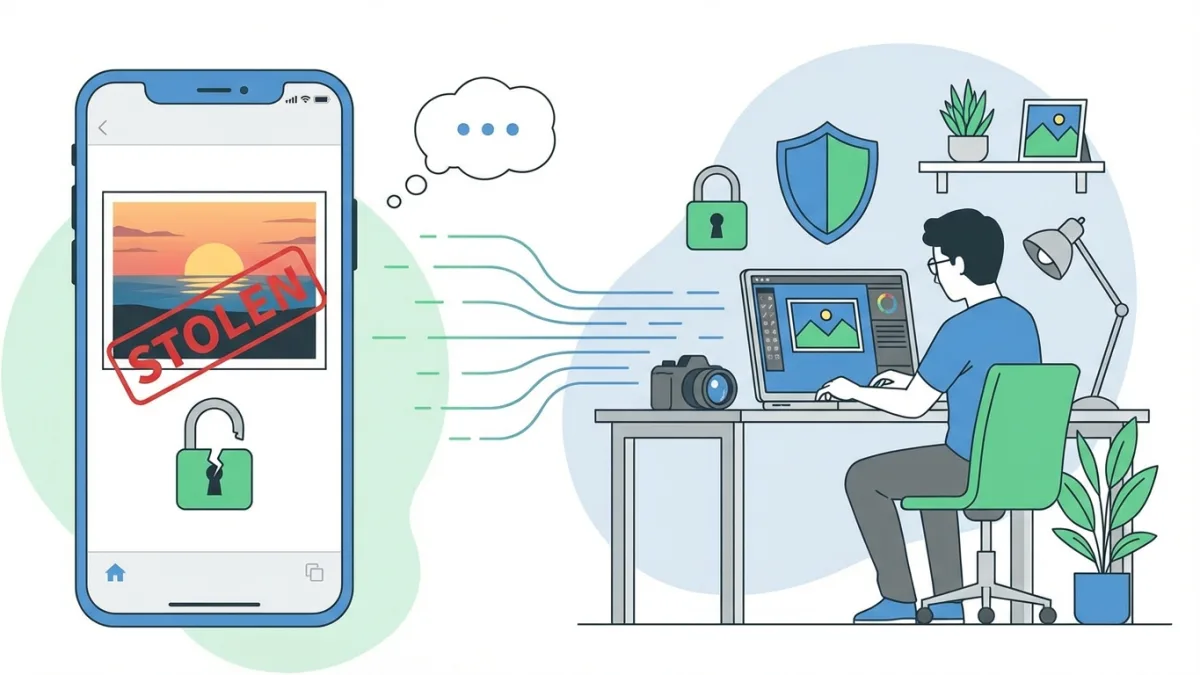
When you upload an image to platforms like Instagram, Facebook, X, or TikTok, you are sharing it with the world. Unfortunately, many users operate under the false assumption that anything published on the internet is free to use. This misconception is one of the leading causes of copyright infringement.
The Myth of the Public Domain
One of the most persistent myths is that posting an image on a public profile places it in the public domain. This is entirely false. When you create an original photograph or illustration, you automatically hold the copyright to that work. Uploading it to a social network does not strip you of your ownership. While you do grant the platform a license to display and distribute the image within their ecosystem according to their Terms of Service, you do not surrender your copyright to the general public.
⚠️ Warning: Do not mistake a platform's terms of service for a transfer of your copyright. Other users are not legally permitted to download, alter, or republish your images outside the platform's native sharing features without your explicit consent.
How Images Get Stolen Online
Theft occurs in various ways, ranging from innocent ignorance to malicious commercial exploitation:
- Unauthorized Commercial Use: Brands or businesses downloading your photos to use in their marketing campaigns, website banners, or advertisements without paying licensing fees.
- Scraping and Bot Activity: Automated scripts that scrape high-quality images from social feeds to populate fake accounts, wallpaper websites, or print-on-demand merchandise stores.
- Uncredited Reposting: Meme pages or "curator" accounts that repost your work to build their own massive followings. Even if they provide a tag or mention, doing so without prior permission still constitutes infringement.
Understanding these risks highlights why relying solely on goodwill is one of the 10 Critical Copyright Mistakes creators make today.
Preventive Measures to Protect Your Images
While it is impossible to completely stop someone from taking a screenshot, you can implement multiple layers of protection to deter thieves and strengthen your position if a dispute arises.
Visual Deterrents and Metadata
Before uploading any image to social media, consider applying basic protective measures:
- Watermarking: A subtle, well-placed watermark can discourage casual theft. While it can be cropped out or removed with advanced editing software, its presence indicates that you actively claim ownership of the image.
- Resolution Reduction: Never upload high-resolution files to social media. Compressing your images and reducing their dimensions ensures that if they are stolen, they will be unsuitable for high-quality printing or large-scale commercial use.
- EXIF and IPTC Data: Embed your copyright information, name, and contact details directly into the image file's metadata. Although some social platforms strip this data upon upload, embedding it remains a best practice for images hosted on your personal website or portfolio.
Establishing Proof of Prior Existence
The most critical preventive step you can take is securing robust proof that you created the image before it was published online. If someone steals your photo and claims it as their own, you need objective evidence to prove you are the original creator.
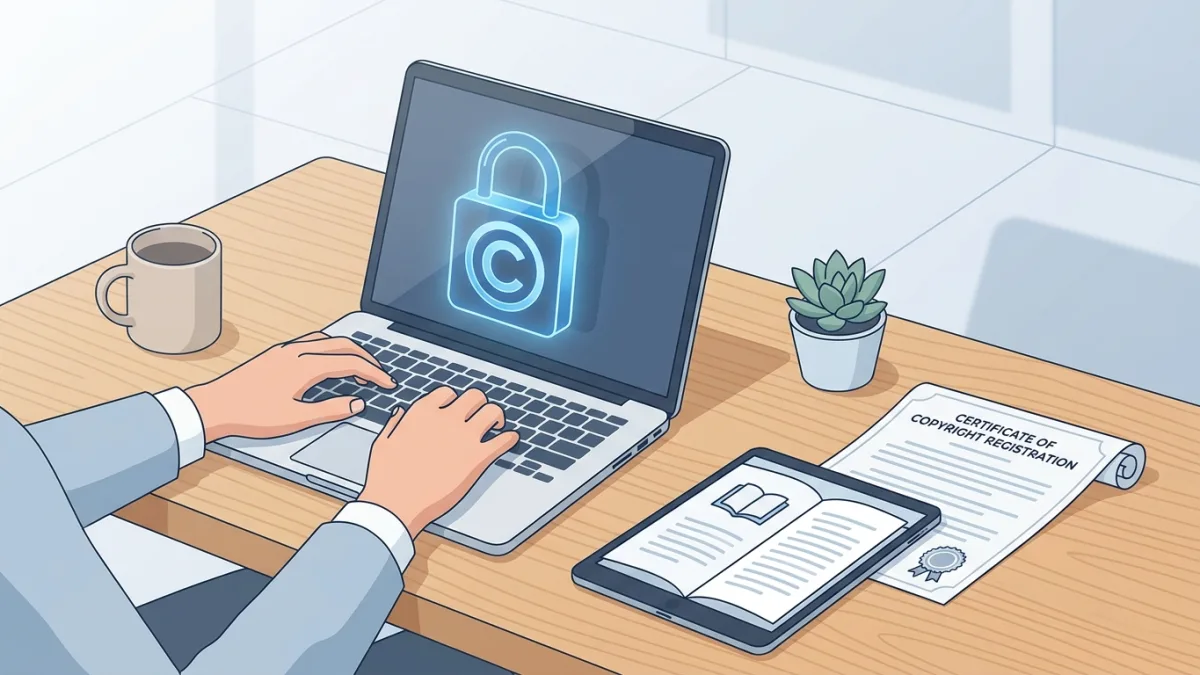
This is where a modern copyright deposit becomes invaluable. By registering your work, you generate a precise timeline of creation. Services like Copyright01 allow you to secure your assets using a PDF certificate with a SHA-256 fingerprint and digital timestamping. This creates a secure, verifiable record of your work that is preserved for a minimum of 10 years.
💡 Tip: Always register your high-resolution images, source files, or RAW formats before uploading compressed versions to social media. This establishes an undeniable link between you and the original, unedited file.
If you are unsure about the different ways to establish this proof, you can read our guide Comparing 5 Proof of Prior Existence Methods to see why digital registration is highly recommended over outdated methods.
Legal Remedies for Stolen Photos
Discovering that your work has been stolen can be incredibly frustrating. However, acting impulsively can sometimes harm your case. Here is a strategic approach to handling social media photo theft.
1. Documenting the Infringement
Before contacting the infringer or the platform, gather comprehensive evidence. Infringers often delete stolen content the moment they are confronted, which can destroy your proof.
- Take clear screenshots of the stolen image on the infringer's profile or website.
- Ensure the screenshots include the date, time, and the URL of the page.
- Save the HTML source code of the webpage if the theft occurred outside a social app.
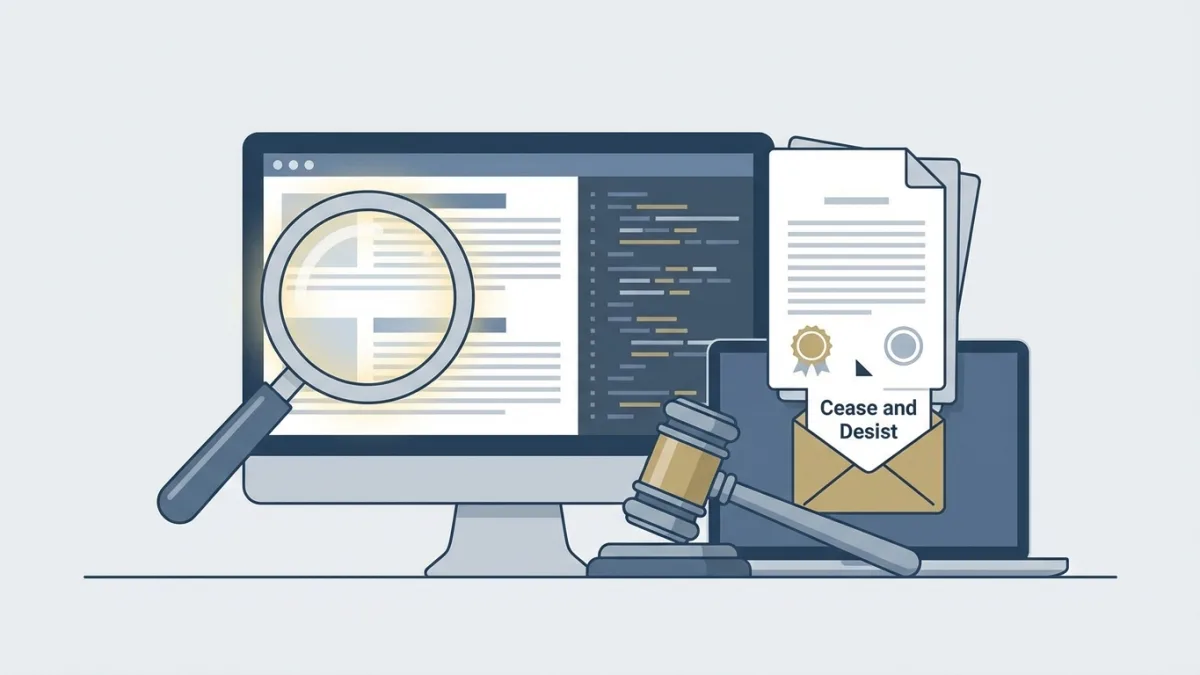
For a detailed walkthrough on gathering evidence, check out our article on how to Detect Website Plagiarism and Take Action.
2. Sending a Cease and Desist Letter
If the infringement is minor or seems unintentional, a polite but firm Cease and Desist (C&D) message might resolve the issue. Contact the user directly, state that you are the copyright owner, provide a link to your original work, and demand the immediate removal of the image.
If you are dealing with a business that has used your work commercially, you might also include an invoice for a retroactive licensing fee. Many brands will pay the fee to avoid legal escalation.
3. Filing DMCA Takedown Notices
If the user ignores your request or you prefer not to contact them directly, you can utilize the Digital Millennium Copyright Act (DMCA) or its international equivalents. Major social media platforms are required by law to remove infringing content when presented with a valid takedown notice.
Here is a quick overview of how different platforms handle these requests:
| Social Platform | Reporting Mechanism | Typical Response Time | Proof Required |
|---|---|---|---|
| Instagram / Facebook | Dedicated IP Reporting Form | 24 to 48 hours | Link to original work, declaration of ownership |
| X (Twitter) | Copyright Help Center Form | 1 to 3 days | Specific URLs of infringement, contact info |
| TikTok | Intellectual Property Report | 2 to 5 days | Detailed description, evidence of original creation |
| YouTube | Copyright Match Tool / Webform | 24 hours to 7 days | Timestamped evidence, formal legal declaration |
When submitting these forms, having a registered deposit significantly streamlines the process. Attaching your copyright certificate provides the platform with clear evidence, often resulting in a faster takedown.
The Role of Copyright Registration
Proving ownership is the cornerstone of any copyright dispute. While copyright is acquired automatically upon creation, proving when you created it is entirely your responsibility.
The Power of Digital Timestamping
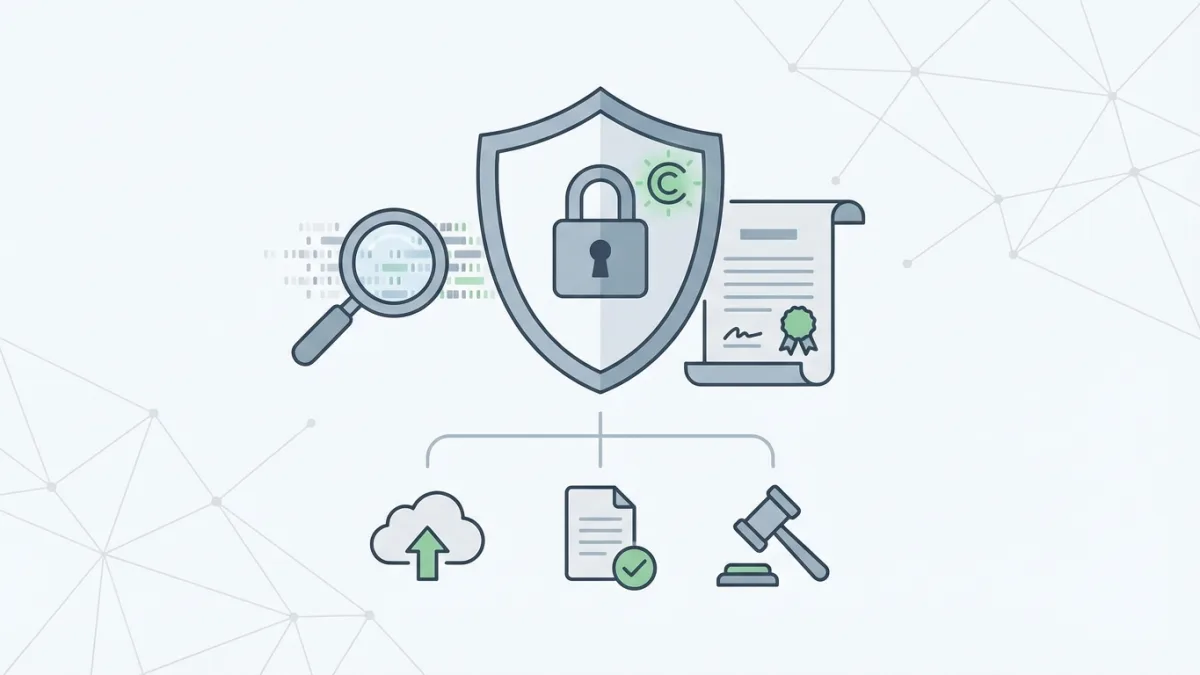
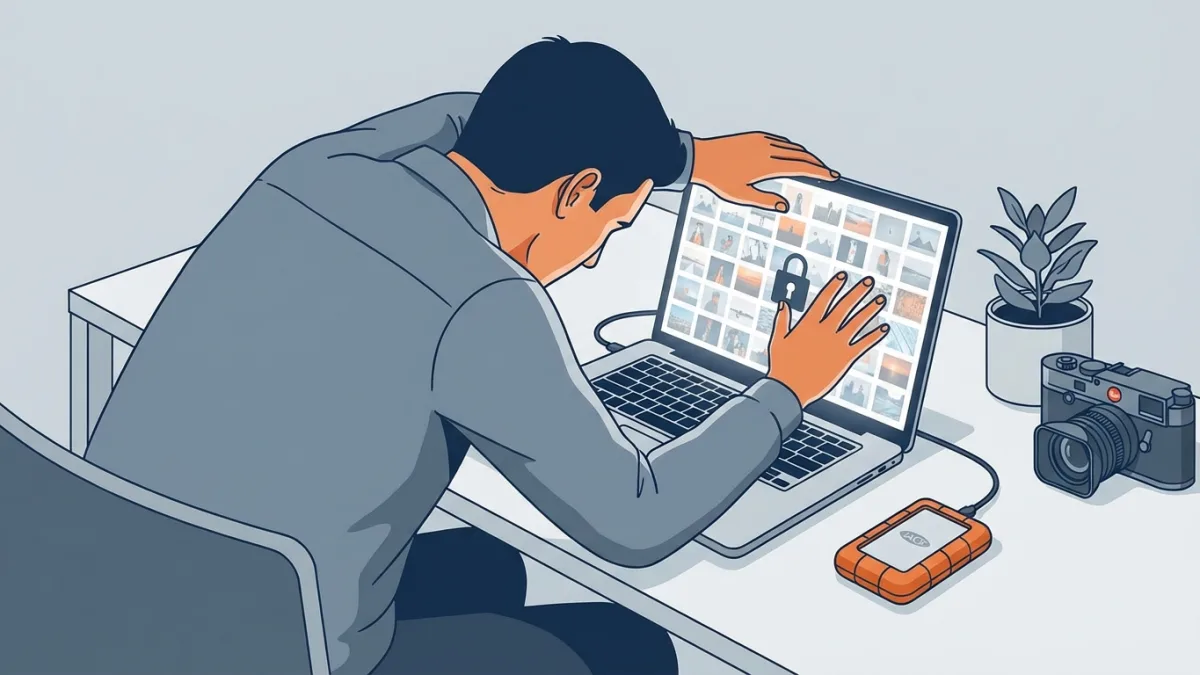
Modern copyright protection relies heavily on technology. When you register an image, the system applies a cryptographic hash (SHA-256 fingerprint) to your file. This creates a unique digital signature for your image. Combined with digital timestamping, this process proves exactly what the file looked like and exactly when it was registered.
This evidence is crucial during disputes. To understand the technical and legal weight of this process, read more about Digital Timestamping and Copyright Evidence.
International Protection Standards
Social media is inherently global. An image you post in London can be stolen by a company in Tokyo within seconds. Fortunately, copyright protection is also international.
Under the Berne Convention, an international agreement governing copyright, your proof of prior existence is recognized in 181 countries. This means a registration made in your home country carries legal weight across almost the entire globe, providing you with a solid foundation to pursue infringers internationally.
📋 Key takeaway: Establishing proof of prior existence is the cornerstone of any successful copyright claim. Without it, disputes often devolve into a "your word against theirs" scenario, which platforms and courts are reluctant to resolve in your favor.
Best Practices for Creators and Brands
To effectively combat social media photo theft, you need to integrate protection into your daily workflow.
Consistent Registration Habits
Make copyright registration a standard part of your publication process. With platforms like Copyright01, you can register various deposit types, including text, image, audio, video, source code, and even specific social media content from Instagram, Facebook, X, and TikTok.
If you are a creative professional, learning about specific protections is vital. For instance, you can explore our tailored advice on Copyright for Freelance Graphic Designers.
To make this habit accessible, Copyright01 offers an easy entry point: Create a free account to get your first 3 deposits for free. After that, you can secure your ongoing work with credit packs starting from EUR 4.90, or opt for comprehensive coverage with a subscription at EUR 9.90/month or EUR 79/year. All files are safeguarded using server-side AES-256 encryption, ensuring your unreleased projects remain strictly confidential.
Verifying Your Claims
Transparency adds credibility to your ownership claims. When you register your work, you can choose to make the deposit details visible in a Public deposit registry. If a client, collaborator, or potential infringer wants to check the status of your work, they can easily Verify a certificate online.
This public verification acts as a powerful deterrent. When potential thieves see that your portfolio is actively monitored and legally documented, they are far more likely to move on to an easier, unprotected target.
Conclusion
Social media photo theft is a pervasive issue, but it is not one you have to accept as a cost of doing business online. By understanding how theft occurs, applying visual and metadata deterrents, and knowing how to utilize DMCA takedown notices, you can effectively police your visual assets.
Most importantly, proactively registering your images provides the robust proof needed to enforce your rights. By asking yourself Why register your copyright? and taking action, you transform your vulnerable online portfolio into a protected digital asset, ensuring that your creative work remains entirely your own.
Copyright01
Free copyright protection service. PDF certificate with SHA-256 fingerprint, recognised in 181 countries.